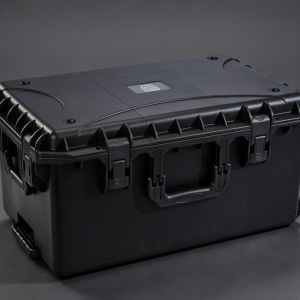
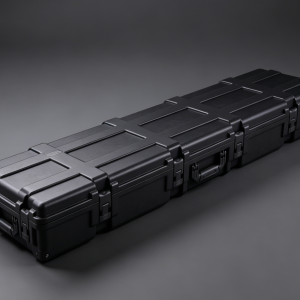
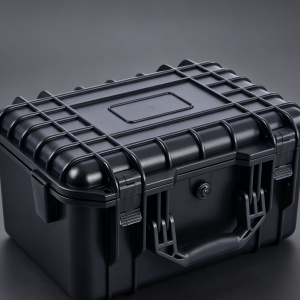
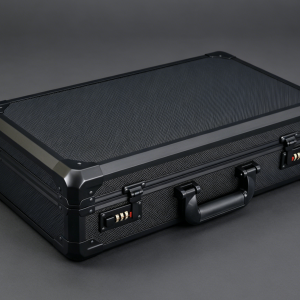
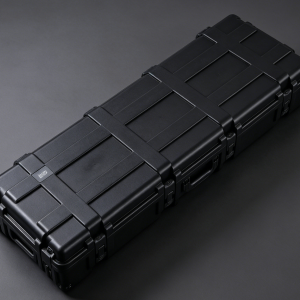
Aluminum tool boxes are commonly used for home repairs, vehicle maintenance, engineering work, outdoor transportation, and industrial tool storage. Compared with ordinary plastic tool boxes, aluminum tool boxes are lightweight, offer good corrosion resistance, and provide a certain level of structural strength. As a result, they are often used in situations that require frequent handling or long-term storage of metal tools. During long-term use, a tool box may also require repairs due to impacts, drops, pressure from heavy objects, worn hinges, or damaged latches.
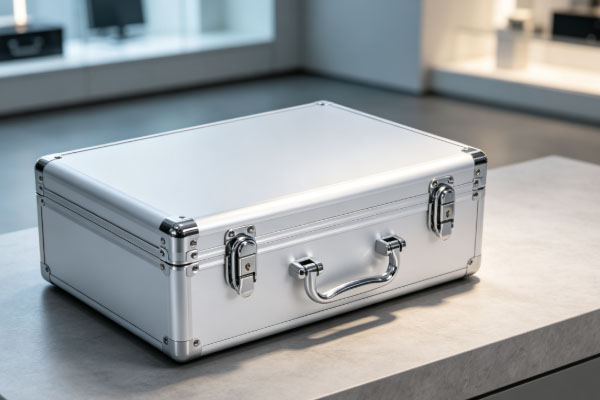
Repair costs mainly depend on the extent of the damage, the damaged location, the thickness of the box body, the type of components, and the repair method. Minor scratches, local dents, and loose screws usually do not require extensive repairs and are relatively simple to handle. If only the handle, latch, hinge, or sealing strip needs to be replaced, this is generally considered routine component repair, making the cost easier to control. When the box body has large-area deformation, broken welded joints, or severe damage to the bottom, the repair work becomes more complicated and may require reshaping, reinforcement, or even replacement of box components. Therefore, when assessing the repair cost of an aluminum tool box, it is necessary to first identify the damaged location and actual extent of the damage before deciding whether to repair or replace it.
What Types of Damage Are Common in Aluminum Tool Boxes?
Small dents are usually relatively easy to repair
During transportation, handling, or vehicle use, an aluminum tool box may develop local dents due to impacts. If the deformation is only minor and does not affect the opening and closing of the lid, latch operation, or box sealing, simple repair is usually possible. Based on the location of the dent, repair personnel can use appropriate tools to reshape the affected area and restore the box to a basic level of flatness. If the dent is close to the frame, latch, or hinge, greater care is required. These areas affect not only appearance but also lid closure and the overall structure of the box. Forceful hammering may cause further deformation of an otherwise functional structure and increase the difficulty of subsequent repairs.
Latches and hinges are common repair components
After long-term use, the latch of an aluminum tool box may become loose, stick, or fail to close properly. Hinges may also wear due to frequent opening and closing. These problems usually do not require replacing the entire box. Instead, the connecting screws, mounting points, and components themselves can be inspected. If the problem is only a loose screw, it can be tightened again. If the latch or hinge is visibly damaged, the corresponding component can be replaced directly. Compared with repairing the entire box body, this type of repair is generally simpler and produces less material waste.
What Factors Mainly Affect Repair Costs?
The repair cost of an aluminum tool box is generally directly related to the extent of the damage. For tool boxes of the same size, a damaged latch and a fractured box body involve significantly different amounts of repair work.
Degree of box deformation: Minor dents usually require only local reshaping. If there is extensive deformation or severe frame distortion, repair time and labor costs will increase.
Type of damaged component: Latches, hinges, handles, and sealing strips can usually be replaced individually, so repairing them does not necessarily require work on the entire box body.
Aluminum sheet thickness and structure: Thicker aluminum sheets require suitable tools for reshaping or processing. Tool boxes with more complex structures may also increase repair difficulty.
Repair method: Simple tightening, component replacement, and local reshaping are generally easier to handle. If cutting, welding, patching, or structural reinforcement is required, the repair process will become considerably more complicated.
When Is Repair More Cost-Effective?
When an aluminum tool box develops a problem, it does not necessarily mean that a new product must be purchased. Whether repair is worthwhile can be assessed based on the overall condition of the box, its service life, and the damaged location. If the main body of the box remains intact and only individual components are damaged, repair can usually be considered first.
Damaged components can be replaced directly
For example, if the handle is broken, the latch is damaged, the hinge is loose, or the sealing strip has deteriorated, these components can usually be replaced individually. After the repair, the box can continue to be used, so there is no need to replace the entire tool box because of damage to a single component.
Local deformation of the box body can be reshaped
If the box has only developed a dent after a local impact, it can be repaired according to the degree of deformation. During repair, it is necessary to check whether the lid can still close properly, whether the frame has become distorted, and whether the latch remains correctly aligned with its corresponding position.
Serious structural damage requires careful assessment
If the tool box has extensive cracks, severe bottom deformation, a broken frame, or damage to major connection points, the repair work becomes more complicated. In addition to repair costs, it is necessary to consider whether the box can maintain its original load-bearing and sealing performance after repair. If the repair cost is already close to the cost of purchasing a new tool box, the remaining service value of the existing box should also be considered.
Frequently Asked Questions
Q: Is the repair cost of an aluminum tool box always high?
A: Not necessarily. Repair costs mainly depend on the damaged location and extent of repair. Small components such as latches, handles, hinges, and sealing strips can usually be repaired or replaced individually. Repair costs may increase significantly when the box body has severe deformation or structural fractures.
Q: Can a slightly dented aluminum tool box be repaired?
A: In general, it can be handled according to the extent of the dent. Minor dents can usually be reshaped locally. However, if the dent is near the frame, latch, or hinge, the lid and connecting structure should first be checked for damage.
Q: Does a broken latch on an aluminum tool box require replacing the entire box?
A: Usually not. A latch is an independently replaceable component. As long as the box body and lid structure are not seriously damaged, normal use can generally be restored by replacing the latch.
Q: Can an aluminum tool box with a crack still be repaired?
A: This depends on the location and length of the crack. If the crack is small and does not affect the main load-bearing structure, an appropriate repair method may be used. If the crack is located on the bottom panel, frame, or hinge mounting area, the overall strength of the box should be checked rather than simply treating the surface crack.
Aluminum tool boxes may commonly require repairs for loose latches, detached screws, damaged handles, worn hinges, and aging sealing strips. If the box body itself remains intact, replacing components or carrying out local repairs can usually allow continued use. This approach not only keeps the repair process relatively simple but also avoids replacing the entire tool box because of damage to a single component. When a box receives a significant impact that causes dents, frame deformation, or a sunken bottom panel, the lid, latch, and load-bearing structure should be inspected further. If the deformation is only local, reshaping may be possible. If cracks or structural fractures are present, the suitability of repair should be determined based on the material thickness, damage location, and repair process. For tool boxes used in vehicle maintenance, engineering construction, and similar applications, it is also necessary to confirm after repair that the box can continue to support the weight of the tools and that the lid can remain securely closed.