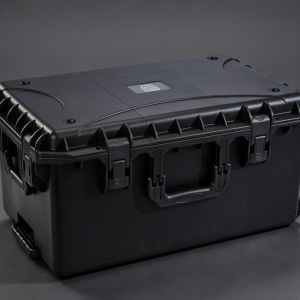
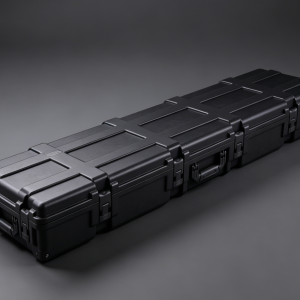
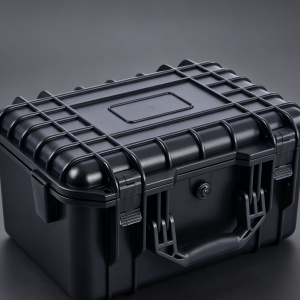
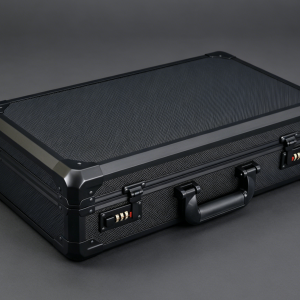
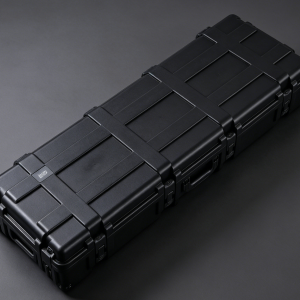
Household repairs usually require screwdrivers, wrenches, pliers, tape measures, hammers, hex keys, electrical tools, as well as various screws, washers, and other small accessories. As the number of tools increases, continuing to use an ordinary storage box or simply stacking everything together can make tools difficult to organize and access. It may also cause precision tools to collide with each other and scratch their metal surfaces. Choosing the right tool box requires consideration of the number, size, and weight of the tools, how frequently they are used, and where the tools will be stored. A household tool box does not necessarily need to be as large as possible. If the capacity is too small, it will quickly become full; if it is too large, it will take up more space and be more difficult to carry. Common choices include plastic tool boxes, aluminum tool boxes, metal tool boxes, and multi-layer tool boxes with drawers.
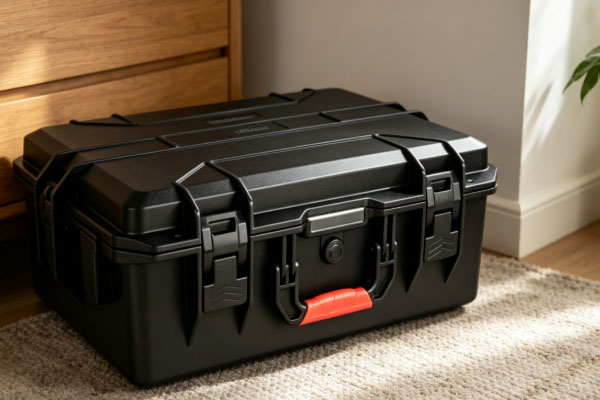
Among these options, plastic boxes are lightweight and suitable for basic repairs. Aluminum tool boxes offer good corrosion resistance and structural strength, making them suitable for long-term storage of larger numbers of tools. Multi-layer or drawer-style tool boxes are more suitable for households with many types of tools that need to be organized separately. When choosing a tool box, you should also examine the box structure, internal space, latches, handles, and storage arrangement. Household repair tools usually vary significantly in size, so the interior should not consist of only one large storage compartment. A design that allows tools to be stored separately can reduce collisions between tools and make it easier to quickly find the tool you need.
How Should You Choose the Capacity When You Have Many Household Repair Tools?
Leave Enough Storage Space Based on the Number of Tools
The capacity of a tool box should leave some extra room rather than being just large enough to hold the existing tools. Household repair tools tend to increase over time. For example, you may later add a power drill, socket set, spirit level, voltage tester, or wrenches in different sizes. If the tool box has no remaining space, adding new tools can quickly create another disorganized storage problem.
You can make an initial choice based on the current number of tools:
- If there are relatively few tools, mainly basic tools such as screwdrivers, pliers, wrenches, and tape measures, a small or medium-sized portable tool box can be selected.
- If there are many tools, including both power tools and hand tools, choose a larger box and pay attention to whether the internal space can be divided into separate sections.
- If the tools vary considerably in size and include many sockets, screws, connectors, and small accessories, consider a tool box with trays, drawers, or adjustable compartments.
Capacity should also be considered together with the storage location. A tool box kept in a household storage cabinet can have a larger capacity, while a tool box that needs to be moved frequently should have a controlled overall size and weight.
Why Is Internal Organization Important for a Household Tool Box?
Different Tools Need Different Storage Locations
Household repair tools vary greatly in shape. Screwdrivers are long and narrow, while wrenches and pliers require more horizontal space. A hammer requires more vertical space, while small parts such as screws, expansion tubes, and washers can easily become scattered. A well-designed interior allows frequently used tools to remain in fixed positions. Longer tools can be placed at the bottom or along the sides, while commonly used tools such as screwdrivers and tape measures can be positioned where they are easy to reach. Small parts can be stored in separate small boxes or compartments.
Multi-Layer Structures Are Suitable for Households with Many Types of Tools
If the number of household repair tools has become relatively large, a multi-layer tool box can be considered. The upper section can be used for screwdrivers, pliers, measuring tools, and other frequently used tools, while the lower section can store wrenches, power drill accessories, sockets, and other larger tools. Different areas can serve different storage functions, reducing the time required to search for tools. If there are particularly many tools, a tool box with drawers can also be selected. Drawers are suitable for organizing tools by category. For example, one drawer can store screwdrivers, another can store wrenches, and other spaces can be used for small hardware accessories. This makes tools easier to access and helps keep them organized.
How Should You Choose Between Plastic, Aluminum, and Metal Tool Boxes?
Different tool box materials have different characteristics. For basic household repairs involving mainly lightweight tools, a plastic tool box is usually sufficient. It is lightweight, easy to carry, and generally affordable. However, if there are many tools or heavy metal tools need to be stored for a long time, the strength and load-bearing capacity of the box should be considered. Aluminum tool boxes offer good corrosion resistance. They are usually lighter than steel tool boxes of the same size while also providing good appearance and structural strength. For households that need to store tools for long periods, frequently move the tool box, or want to combine durability with portability, aluminum tool boxes are a common choice.
Steel tool boxes provide high structural strength and are suitable for storing heavier tools. However, their overall weight is also greater, so the actual usage environment should be considered if the box needs to be carried frequently. If the tool box is mainly kept in a garage, workshop, or storage area, the impact of its weight is relatively small. When choosing the material, you should also inspect the edges, hinges, latches, and handles. Even if the box material is strong, insufficient strength at the connection points can still cause loosening or deformation after long-term use.
Frequently Asked Questions
I Don’t Have Many Household Tools. Do I Need a Large Tool Box?
It is not recommended to choose an oversized tool box simply to increase capacity. If the existing tools mainly include screwdrivers, wrenches, pliers, a tape measure, and a small number of hardware accessories, a medium-sized tool box is usually sufficient. Leaving some additional space is enough, and there is no need for the tool box to remain significantly empty.
Can Power Tools Such as a Drill Be Stored in the Same Box as Hand Tools?
Yes, but there must be enough internal space, and direct collisions between power tools and metal tools should be avoided. The drill, battery, charger, and drill bits can be placed in a separate section, while wrenches, screwdrivers, and other hand tools can be stored on the other side. This makes the tools easier to carry and reduces pressure and friction between them.
Are Aluminum Tool Boxes Suitable for Household Repairs?
Yes. Aluminum tool boxes offer a moderate weight, corrosion resistance, and stable structure. They can be used to store household repair tools, hardware tools, and some power tools. If a household has many tools and the tool box needs to be moved frequently, an aluminum box can provide good practicality.
Does a Tool Box Need a Lock?
If the tool box contains power tools, valuable tools, or a large number of small accessories, a locking design can be selected. For basic household tools mainly stored in a fixed storage area, a lock is not essential. When choosing one, you should also check whether the latch is secure and whether it opens and closes smoothly.
How Should You Choose a Tool Box for Different Household Repair Scenarios?
For Mainly Everyday Minor Repairs
For example, if household repairs mainly involve tightening loose furniture screws, adjusting doors and windows, and performing simple hardware installation, the tools may include screwdrivers, an adjustable wrench, needle-nose pliers, a tape measure, a hammer, and hex keys. In this case, a small or medium-sized tool box can meet the requirements, with simple internal compartments.
For Many Tools Including Power Tools
If the household has not only common hand tools but also drills, impact drivers, electric screwdrivers, drill bits, and sockets, a larger multi-layer tool box is recommended. Heavier tools can be placed at the bottom, frequently used tools can be stored in the upper section, and small accessories can be organized separately to reduce clutter when accessing the tools.
For a Dedicated Repair Area
If the home has a garage, storage room, or household workbench, and the tool box does not need to be carried over long distances frequently, a larger metal or aluminum tool box can be selected. This type of tool box can hold more tools and is also suitable for long-term organized storage.
When there are many household repair tools, choosing a tool box should not be based only on appearance and price. The actual tools should also be considered. The capacity should leave an appropriate amount of extra space, the interior should preferably provide organized storage areas, and the box material should be selected according to the weight and frequency of use of the tools. Plastic tool boxes are suitable for lightweight basic storage, aluminum tool boxes provide a balance of durability, weight, and portability, while steel tool boxes are more suitable for storing heavier tools or fixed-use applications.
If there are already many types of tools, multi-layer structures, drawers, trays, and compartments can be more convenient than a single storage compartment. For tool boxes that are frequently carried, the handles, latches, and box connection points should also be inspected. For tool boxes that remain in a fixed storage location for long periods, capacity and internal organization can be prioritized. Choosing according to the number, size, weight, and usage scenario of household repair tools generally makes it easier to find a suitable tool box and keeps tools more organized after everyday repairs.