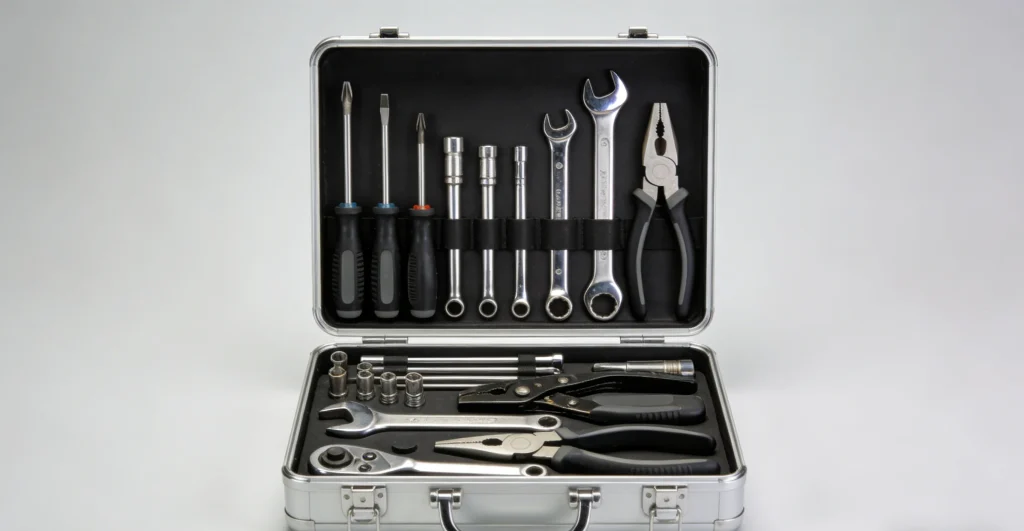
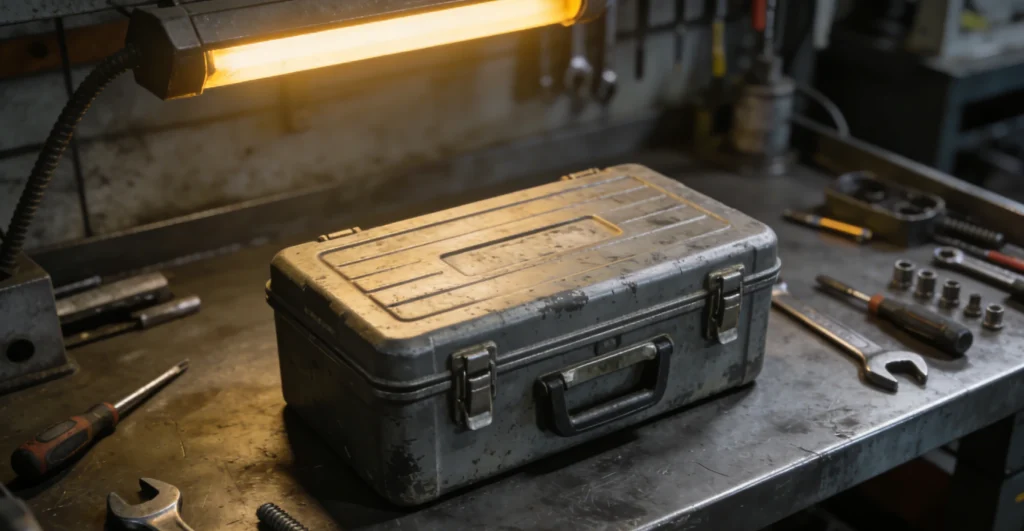
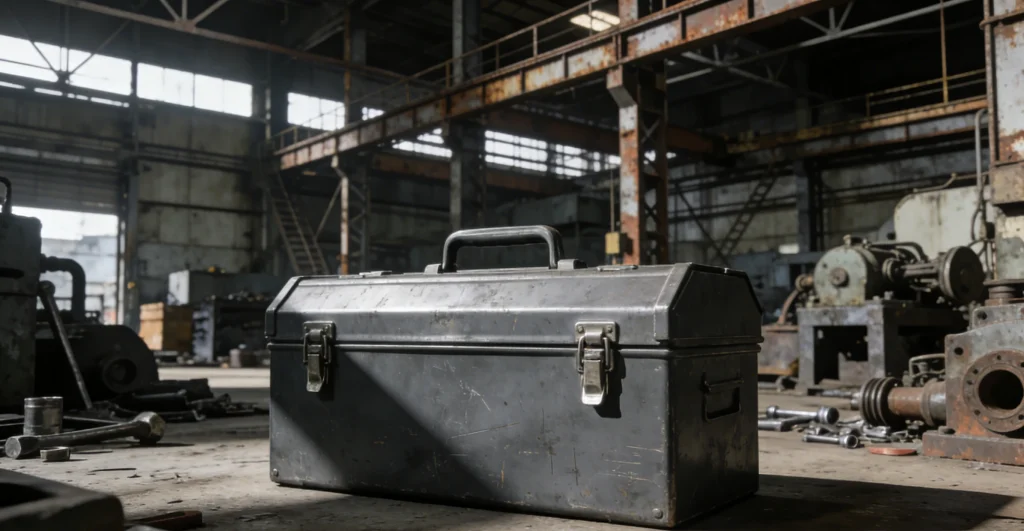
Mini toolboxes are mainly designed to store compact, frequently used repair tools and accessories. Compared with large toolboxes, they place greater emphasis on portability, compact storage, and flexible organization. As a result, products on the market are available in different specifications based on external dimensions, internal capacity, storage layers, materials, and organization methods. When purchasing a mini toolbox, users should not focus only on how large the product looks. The type of tools to be stored, transportation requirements, and intended application environment should also be considered. Household repairs, office maintenance, DIY projects, electronic equipment servicing, and basic vehicle maintenance can all have different toolbox requirements. Understanding common specifications makes it easier to select a product that matches a particular tool collection.
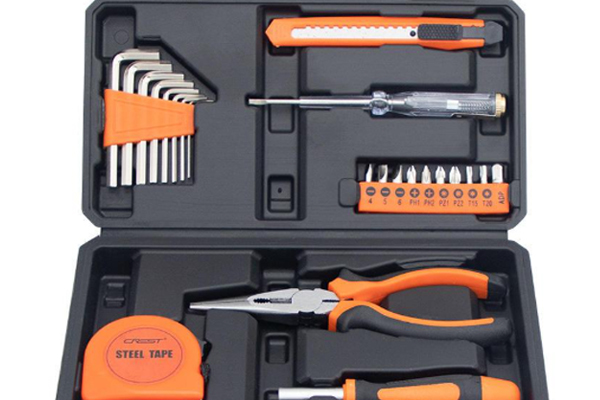
Common External Dimensions of Mini Toolboxes
External dimensions are among the most noticeable specifications when choosing a mini toolbox. Small toolboxes generally use compact designs, with length, width, and height configured according to the available internal storage space. Common products range from very small boxes that can fit inside drawers to slightly larger compact cases designed for workbenches or vehicle storage areas. Different dimensions are suitable for different tool combinations, so there is no single standard size that works for every user.
Smaller mini toolboxes are suitable for screwdrivers, hex keys, screwdriver bits, tweezers, and a limited number of small components. These products are generally highly portable and can be stored in office drawers, household cabinets, or other compact storage areas. For users who only need to carry a few commonly used tools, a small box can minimize space requirements.
Medium-sized mini toolboxes provide more internal space and can accommodate pliers, wrenches, screwdrivers, and some measuring tools. They still maintain good portability while offering greater storage capacity than ultra-compact models, making them suitable for household repairs, DIY projects, and general maintenance.
When choosing external dimensions, users should also consider the relationship between the toolbox size and the intended storage location. If the toolbox will be placed inside a drawer, vehicle storage compartment, or cabinet, the available space should be measured in advance to ensure that the product can be stored properly.
Different Specifications Based on Capacity and Internal Space
In addition to external dimensions, internal capacity is an important factor that distinguishes mini toolbox specifications. Two toolboxes with similar external dimensions may have significantly different usable capacities because of differences in their internal designs. Some products use a single large compartment suitable for relatively large tools, while others include trays, dividers, or individual compartments for organizing multiple small tools and accessories.
The capacity of a mini toolbox should be considered together with the type of tools being stored. Screwdrivers, wrenches, and pliers require larger continuous storage areas, while screws, nuts, washers, and screwdriver bits are more suitable for separate compartments. If a product only has one large storage area, it may accommodate many items, but small components can easily become mixed together.
Mini toolboxes with upper trays can make better use of vertical space. Frequently used small tools can be placed in the upper section, while larger tools can be stored underneath. This type of configuration improves space utilization while making different tools easier to organize.
For users with larger tool collections, models with adjustable dividers can also be considered. Users can change the position of the storage sections according to tool dimensions, allowing the toolbox to adapt to changing storage requirements.
Single-Layer, Double-Layer, and Multi-Compartment Specifications
The number of internal layers and compartment configurations is another common difference among mini toolbox specifications. Single-layer toolboxes generally have a simple structure with one continuous storage area. They are suitable for smaller tool collections or tools that require relatively large storage spaces. Since there is no complicated tray system, these products are often lightweight and allow tools to be accessed directly.
Double-layer toolboxes typically divide the internal space into upper and lower sections using a tray. The upper section can be used for screwdrivers, bits, small pliers, and other frequently used tools, while the lower section can accommodate wrenches, tool sets, or larger items. This design can be useful for users who want to make better use of the available space.
Multi-compartment models focus more on organizing small tools and accessories. Different sections can be used for screws, nuts, washers, connectors, and screwdriver bits of different sizes. Electronic repair technicians, model makers, and DIY enthusiasts may need to manage many small components, making products with multiple compartments useful for creating a more organized storage system.
However, a greater number of compartments does not necessarily mean greater usable capacity. Too many fixed dividers may restrict the available space for larger tools. Therefore, users should choose the internal configuration according to their actual tool collection rather than simply selecting the model with the greatest number of storage sections.
Plastic, Metal, and Aluminum Are Common Material Specifications
Material is another important specification of mini toolboxes. Plastic toolboxes are lightweight and flexible in terms of manufacturing, allowing manufacturers to create different body dimensions and internal configurations. They are therefore commonly used for household tool storage and everyday maintenance. Plastic also offers corrosion resistance and easy cleaning, making it suitable for general indoor environments and common DIY activities.
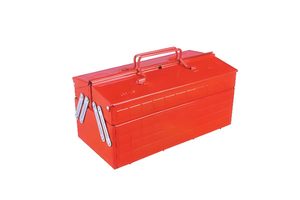
Metal toolboxes generally provide good rigidity and are suitable for applications that require greater structural support. A metal body can provide stable support when carrying a certain amount of tools, but its overall weight is usually greater than that of a plastic model. Portability should therefore be considered based on the intended application.
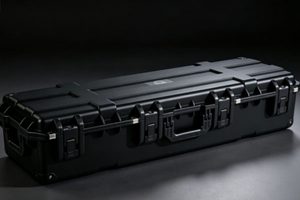
Aluminum toolboxes can provide a balance between lightweight construction and structural strength, making them suitable for users who frequently transport tools. Some aluminum models are also equipped with foam inserts or modular storage systems to protect precision tools and equipment.
Different materials can correspond to different product requirements. Users can select an appropriate option based on tool weight, transportation frequency, operating environment, and budget. For ordinary household and maintenance applications, a lightweight plastic model can often provide sufficient storage performance. For professional tools or applications requiring stronger structural support, metal or aluminum construction may be considered.
Different Applications Require Different Toolbox Specifications
There is no single universal specification for mini toolboxes. Products are generally designed according to specific usage requirements. Household users may focus on whether the toolbox is easy to store and can accommodate commonly used repair tools. Office users may prefer compact models that fit inside cabinets or drawers. DIY enthusiasts may place greater emphasis on internal space and flexible compartment configurations.
Different applications can be matched with the following specification characteristics:
- Household repairs: Small or medium-sized toolboxes are suitable for screwdrivers, pliers, wrenches, and hex tools.
- Office maintenance: Compact models are convenient for storage in drawers or cabinets.
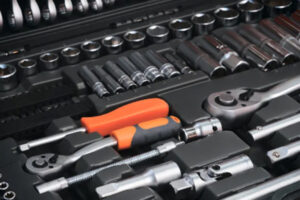
- Electronic equipment repair: Models with small compartments, slots, or detailed organization systems are suitable for precision tools and small components.
- DIY and model making: Toolboxes with flexible internal space and multiple compartments can accommodate various small tools and accessories.
- Automotive and bicycle maintenance: Models with sufficient length and depth are suitable for wrenches, sockets, hex tools, and similar equipment.
The common specifications of mini toolboxes mainly include external dimensions, internal capacity, number of layers, compartment configuration, and material selection. There is no absolute advantage associated with one specification over another. The key consideration is whether the product matches the tools that need to be stored. Users can determine the quantity and dimensions of their tools first, check the available internal storage space, and then consider the intended storage location and carrying frequency. For toolbox sellers, clearly displaying external dimensions, internal dimensions, capacity, material, number of layers, and recommended applications on product pages can help customers understand the differences between specifications and select a mini toolbox that suits their actual requirements.