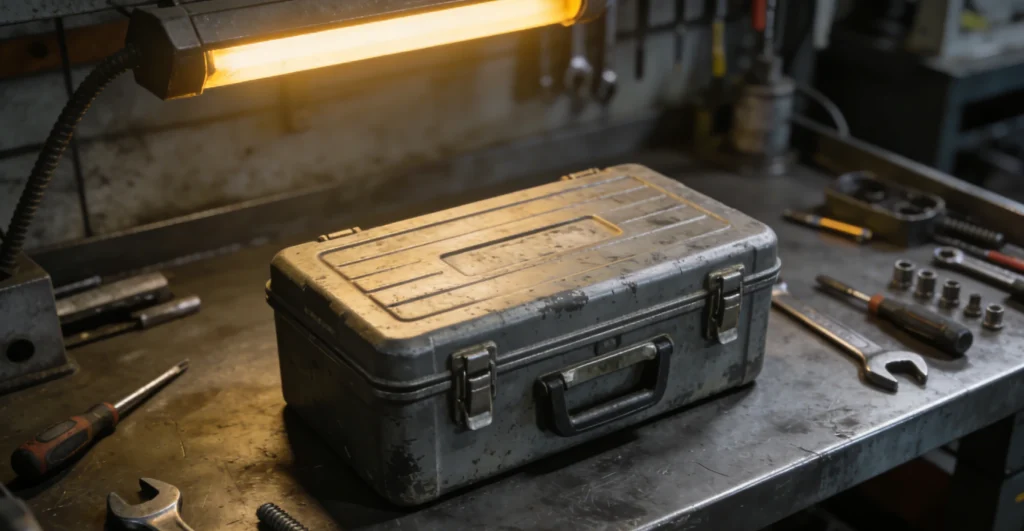
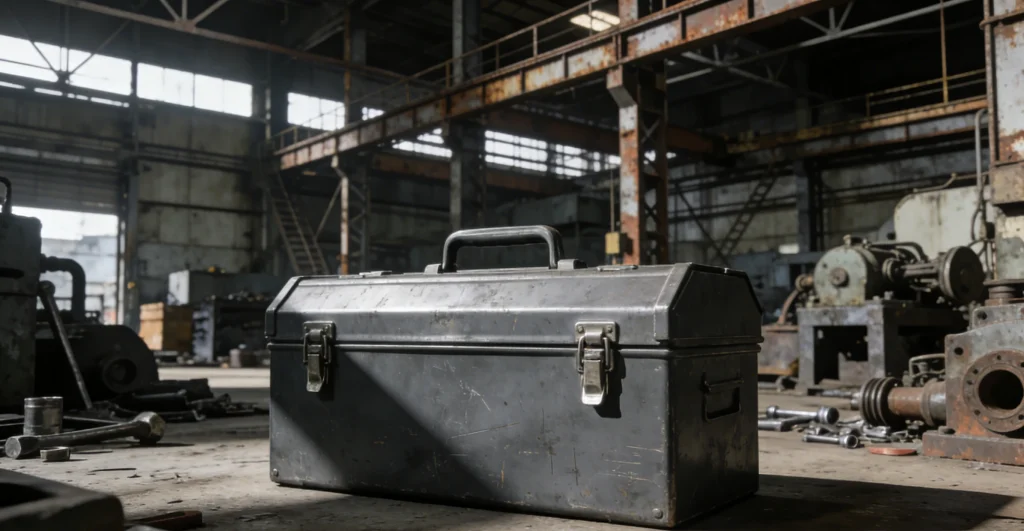
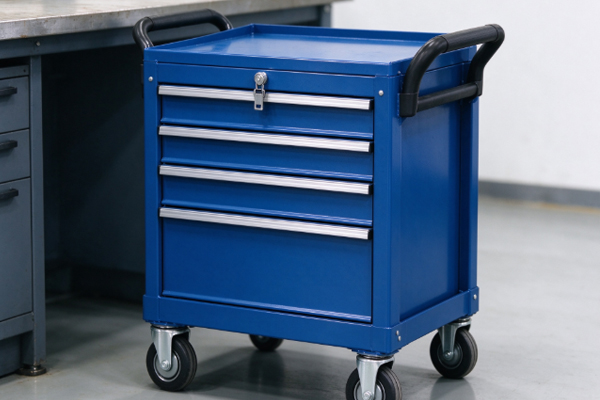
A rolling toolbox can store wrenches, screwdrivers, power tools, and repair accessories in one place and move them to the designated work area with casters. During actual work, the toolbox may be fully loaded, pushed, turned, and opened and closed repeatedly. Improper operation can increase the load on the casters, drawer slides, and cabinet structure. Proper loading, movement, access, and maintenance practices help keep the toolbox stable and make daily tool management more orderly.
Pay Attention to Weight Distribution When Loading a Rolling Toolbox
Different areas inside a toolbox carry different loads. Tools should be arranged according to their size, weight, and frequency of use to avoid excessive weight being concentrated in one area.
Place Heavy Tools in Lower Areas Whenever Possible
Heavy tools such as drills, impact wrenches, and socket sets are better placed in the bottom or deeper drawers.
- Lower the Overall Center of Gravity: Reduce instability caused by concentrating heavy items at higher positions.
- Distribute Drawer Loads: Arrange tools according to the load capacity of each drawer.
- Avoid Excessive Weight on One Side: Distribute tools evenly inside each drawer.
- Balance Heavy and Light Tools: Screwdrivers, measuring tools, and small accessories can be placed in upper drawers.
Keeping heavy tools lower helps the toolbox remain more stable when being pushed or turned.
Do Not Exceed the Toolbox Load Capacity
The overall load capacity, individual drawer capacity, and caster load rating all need to be considered according to the actual load.
- Check the specified load capacity before use.
- Do not concentrate large quantities of heavy tools in one drawer.
- When the number of tools increases, consider adding storage modules instead of continuously filling existing drawers.
- Recalculate the total load when additional equipment is temporarily added.
Keeping the actual load within the specified range can reduce long-term stress on drawer slides, the base frame, and casters.
Pay Attention to Operating Methods When Moving a Rolling Toolbox
A fully loaded toolbox can be heavy, so movement needs to take caster condition, passage conditions, and cabinet balance into account. Proper operation can reduce the risk of collisions and tipping.
Close the Drawers and Check the Casters Before Moving
Before pushing the toolbox, make sure the tools have been organized, the drawers are closed, and the casters can rotate normally.
- Secure the Tools: Prevent loose tools from sliding or falling during movement.
- Close the Drawers: Reduce the possibility of drawers sliding open while moving.
- Check the Casters: Remove debris from the wheels and inspect the mounting points and wheel condition.
- Check the Route: Inspect thresholds, obstacles, and narrow areas in advance.
After the toolbox reaches the work area, engage the caster brakes according to the product structure to prevent unintended movement during work.
Keep the Toolbox Stable While Pushing
The movement speed should match the toolbox weight and floor conditions, with extra care required on uneven surfaces.
- Avoid sudden turns or abrupt stops.
- Reduce speed when passing thresholds, floor joints, or ramps.
- Make sure there is enough space before turning in narrow areas.
- Do not temporarily place loose tools or parts on top of the toolbox.
Smooth movement can reduce impacts on the casters, cabinet, and drawer connections.
Pay Attention to Anti-Tip Safety When Using Drawers and Tools
Multi-drawer rolling toolboxes require particular attention to changes in the center of gravity during use. When many heavy tools are stored inside, drawer operation and internal organization can affect overall stability.
Avoid Opening Multiple Heavy Drawers at the Same Time
When several drawers containing heavy tools are pulled out simultaneously, the load shifts toward the front of the cabinet and changes its center of gravity. Frequently used tools can be placed in one easily accessible drawer, with other storage areas opened after the current drawer is closed. Toolboxes equipped with drawer interlock structures should be operated according to their intended locking mechanism. If the cabinet becomes noticeably unstable, close the drawers immediately and check the tool distribution. Controlling the drawer opening sequence helps reduce the risk of forward tipping under heavy loads.
Return Tools to Their Positions After Use
Leaving tools randomly inside drawers can increase retrieval time and reduce effective storage space.
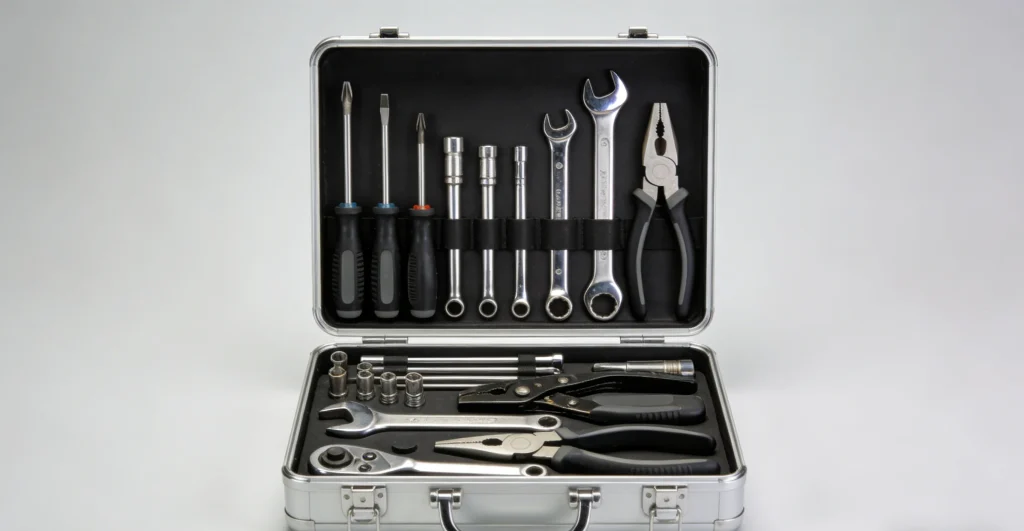
- Store wrenches and screwdrivers in fixed positions according to their specifications.
- Use compartment boxes for screws, bits, and connectors.
- Equip precision measuring tools with cushioning inserts to reduce collisions.
- Check tool quantities and storage positions after completing work.
A consistent return-to-position routine makes it easier for different users to maintain the same storage system.
What Maintenance Is Needed for Long-Term Rolling Toolbox Use?
Rolling toolboxes are exposed to frequent movement and repeated drawer operation over time. Casters, drawer slides, locks, and cabinet connections should be inspected regularly, with maintenance frequency adjusted according to actual usage.
Regularly Check Casters, Drawer Slides, and Connections
Loose, worn, or abnormal mechanical components should be addressed promptly to prevent them from affecting subsequent use.
- Check whether caster fasteners and mounting positions remain secure.
- Inspect the wheels for significant wear, cracks, or tangled debris.
- Check whether the drawer slides operate smoothly.
- Inspect locks, handles, and cabinet connections for deformation.
- Investigate abnormal noise, sticking, or tilted drawers promptly.
Regular inspections help identify structural problems early and reduce disruptions to normal work.
Maintain Cleanliness and Protection According to the Working Environment
Dust, metal chips, oil, and moisture in workshops can enter casters, drawer slides, and cabinet gaps. Long-term accumulation may affect component operation.
- Keep the drawers and cabinet interior clean and prevent tool debris from accumulating.
- Remove foreign matter from the casters regularly to reduce movement resistance.
- Maintain drawer slides and casters according to the product’s maintenance requirements.
- In humid environments, regularly inspect metal connections and the base frame and address abnormal corrosion promptly.
Proper cleaning and maintenance help keep a rolling toolbox in good condition for movement and storage while supporting a consistent tool management process.
The key points of rolling toolbox use are load control, movement procedures, drawer safety, and routine maintenance. Repair workshops, engineering sites, equipment maintenance areas, and multi-station operations can organize storage according to tool weight, usage frequency, passage conditions, and workspace, while also considering casters, drawer slides, anti-tip structures, and internal layouts. A well-planned tool storage system can reduce time spent searching for and transporting tools while making it easier to adjust configurations as tool quantities and job requirements change.