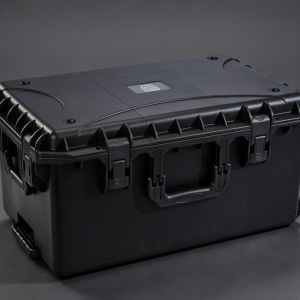
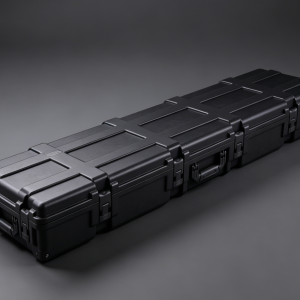
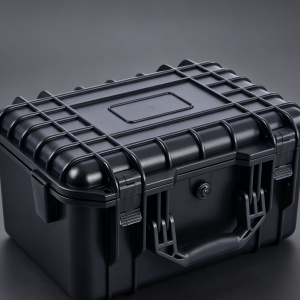
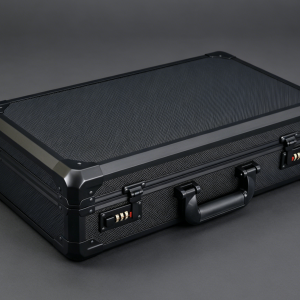
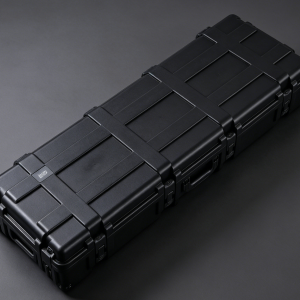
In automotive repair, industrial manufacturing, and construction, metal toolboxes are used to store wrenches, sockets, power tools, and other metal components. As the weight of stored tools increases, problems such as bottom panel sagging, side panel deformation, and loose handle connections may gradually occur. Improving the load-bearing capacity of a metal toolbox requires more than simply increasing sheet metal thickness. Reinforcement rib placement, frame design, bottom support, and connection structures must also be considered.
What Factors Affect the Load-Bearing Capacity of Metal Toolboxes?
Metal Material and Sheet Thickness
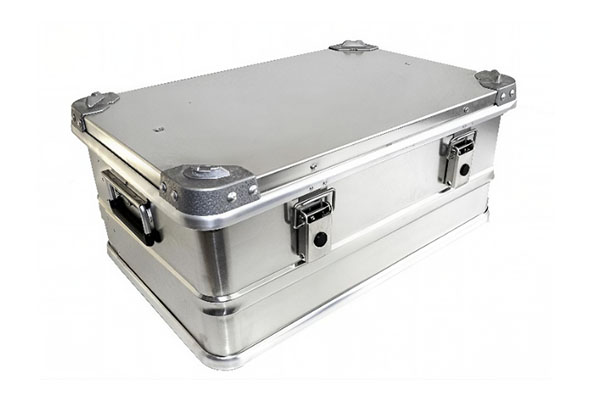
Steel, stainless steel, and aluminum alloy have different strength, weight, and processing characteristics. Steel is generally suitable for toolboxes that require high structural rigidity. Aluminum alloy is lighter and ideal for portable toolboxes that need frequent handling. Stainless steel is suitable for working environments where corrosion resistance is particularly important.
When selecting materials, manufacturers should consider the total tool weight, toolbox dimensions, and frequency of use. Increasing sheet thickness alone may improve bending resistance, but it also increases the product’s overall weight and manufacturing cost.
Toolbox Dimensions and Load Distribution
Metal panels with the same thickness may deform differently depending on their span and loading conditions. If a wide toolbox bottom lacks sufficient intermediate support, concentrated loads from heavy tools can cause the panel to bend. Therefore, dividing the internal storage space appropriately and reducing unsupported spans are important ways to improve load-bearing performance.
How Do Reinforcement Ribs Improve the Load-Bearing Capacity of Metal Toolboxes?
Bottom Panel Reinforcement Rib Design
The bottom panel is one of the main structural components supporting the weight of stored tools. Depending on the toolbox dimensions and load distribution, designers can add longitudinal, transverse, or cross-shaped reinforcement ribs to create a more stable support structure. These ribs increase panel rigidity and distribute concentrated loads across a larger area, reducing the risk of excessive bottom panel sagging.
For toolboxes used to store heavy socket sets, impact wrenches, and maintenance equipment, designers should evaluate stress distribution in the center, along the edges, and around key support points. Reinforcement should not be concentrated in only one area.
Side Panel and Lid Reinforcement
Side panels must maintain the toolbox’s shape while supporting their own weight and resisting external impacts, handling forces, and stacking pressure. Folded edges, pressed grooves, and additional structural ribs can improve bending resistance and reduce deformation.
The lid also requires appropriate reinforcement based on its intended use. For stackable metal toolboxes, the lid support structure should work with the surrounding frame to prevent pressure from concentrating on a large, unsupported flat surface.
Reinforcement Rib Layout and Manufacturing Processes
Adding more reinforcement ribs does not always produce better results. Poorly positioned ribs can increase material consumption and create localized stress concentrations. Designers should determine rib positions and cross-sectional shapes according to sheet thickness, enclosure dimensions, tool weight, and manufacturing requirements.
Metal reinforcement structures can be produced through bending, rib pressing, welding, or mechanical fastening. The appropriate process should balance dimensional accuracy, connection reliability, and mass-production efficiency.
How Can Enclosure Structure Design Further Improve Load-Bearing Performance?
Reinforced Frames and Bottom Connections
The quality of the connections between the bottom panel, side panels, and frame directly affects overall structural stability. Proper folded-edge structures, support brackets, and reliable riveting or welding can reduce the risk of loose connections and deformation under long-term loads.
For large-capacity metal toolboxes, corner structures also deserve attention. Reinforced corners can improve local load distribution during handling and stacking, reducing the risk of damage when the edges are exposed to impact.
Load-Bearing Design of Handles, Hinges, and Latches
A toolbox’s load-bearing capacity depends on more than the enclosure itself. Handles, hinges, and latches are also critical structural components. For portable toolboxes, handle brackets should be securely connected to the main frame to prevent the load from concentrating on a small section of sheet metal.
For toolboxes that frequently carry heavy equipment, manufacturers should select suitable metal handles, reinforced brackets, and fasteners according to the expected load. The stability of hinges and latches should also be checked after repeated opening and closing.
How to Choose a Metal Toolbox with Better Load-Bearing Performance
Select the Structure According to the Application
For general hand tool storage, lightweight construction and adequate structural strength may be the main priorities. Automotive repair and industrial maintenance applications require greater attention to bottom support, frame rigidity, handle connections, and internal storage layout. For toolboxes that are frequently moved, overall weight, grip comfort, and handling methods should also be considered.
Evaluate the Overall Design Rather Than a Single Specification
When selecting a metal toolbox, check the sheet metal specifications, reinforcement rib layout, enclosure joints, corner finishing, and hardware connections. Whenever possible, use documented test results or the manufacturer’s rated load capacity to evaluate performance. Sheet thickness and external appearance alone are not reliable indicators of actual load-bearing capacity.
Conclusion
Improving the load-bearing capacity of metal toolboxes requires an integrated approach to material selection, reinforcement rib design, bottom support, frame connections, and hardware strength. A well-engineered structure can improve enclosure rigidity and long-term stability while keeping product weight under control.
For businesses with specialized dimensions, heavy-duty storage requirements, or bulk purchasing plans, customized toolbox solutions can be selected according to tool types, working environments, and handling requirements.