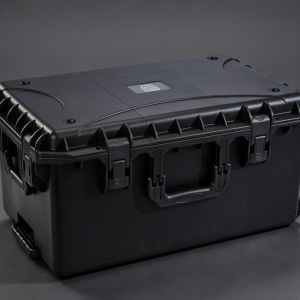
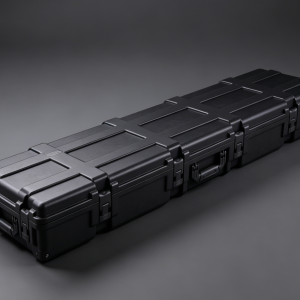
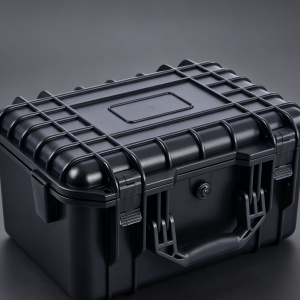
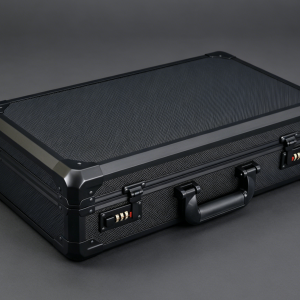
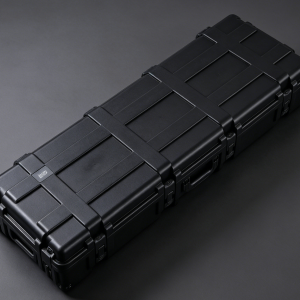
Metal toolboxes are widely used in automotive repair, industrial production, mechanical processing, and equipment maintenance. They must withstand tool weight, frequent opening and closing, and vibration and impact during transportation. When choosing a toolbox, many buyers focus on steel thickness, metal materials, and surface finishes but overlook hardware components such as locks, hinges, and drawer slides. Although these components are relatively small, they directly affect security, ease of operation, and service life. For industrial toolboxes designed for long-term use, selecting suitable hardware and optimizing the box structure are equally important.
How Do Locks Affect Metal Toolbox Durability?
Lock Design Determines Closing Stability
Locks secure the lid or drawers, preventing tools from falling out during handling and transportation. Common options include toggle latches, keyed metal locks, and butterfly locks. Each type is suitable for different applications.
Standard household toolboxes generally have lower hardware load requirements, while toolboxes used in automotive repair and industrial maintenance often experience more frequent opening, closing, and external vibration. In these environments, the strength of the metal, latch precision, and mounting stability directly affect closing performance. If a lock becomes loose or fails to engage properly, the lid may open unexpectedly even when the toolbox body itself is strong.
Material Selection and Corrosion Protection Extend Service Life
Metal locks exposed to humid air, oil, and dust may develop rust, sticking mechanisms, or difficulty turning the key. When selecting a toolbox, buyers should consider the lock material, surface protection, and corrosion resistance of the fasteners.
For outdoor applications, it is also important to inspect the connection between the lock and the toolbox body. A weak mounting structure may cause the mounting holes to expand or the surrounding metal to deform after repeated use.
Why Are Hinges Important for Lid and Body Stability?
Hinges Withstand Repeated Opening and Closing
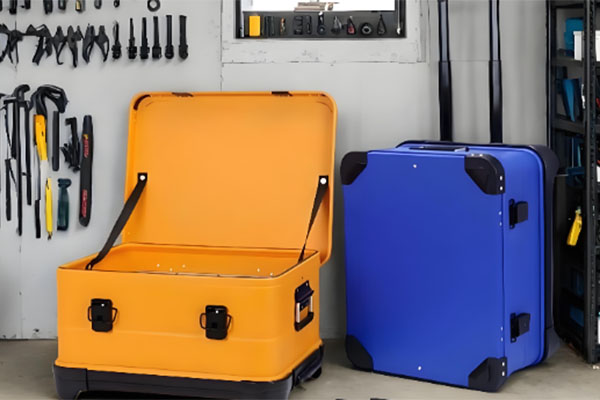
Hinges connect the lid to the toolbox body and allow it to open and close smoothly. During normal operation, they repeatedly withstand the weight of the lid, opening and closing forces, and impacts from the surrounding environment.
If the hinges are too thin, the pivot structure is unstable, or the mounting points lack adequate reinforcement, prolonged use may lead to looseness, deformation, and poor opening performance. For large metal toolboxes with heavy lids, hinge load capacity and mounting position are particularly important.
Hinges Must Match the Toolbox Structure
Hinge quality alone does not determine the strength of the connection. Steel panel thickness, welding quality, bolt fastening methods, and reinforcement around the mounting area also affect overall performance.
When purchasing a metal toolbox, check whether the hinges wobble, whether the lid remains stable when open, and whether the lid aligns properly with the box body when closed. For products frequently transported or used outdoors, corrosion resistance and vibration resistance should also be considered.
How Do Drawer Slides Affect Load Capacity and Ease of Use?
Drawer Slides Determine Load Capacity and Smooth Operation
Metal toolboxes with drawers are commonly used to store wrenches, socket sets, power drills, and other heavy tools. Drawer slides provide support and guidance during movement. Their load capacity, material strength, and structural precision affect everyday performance.
If the slides cannot support the required load, prolonged overloading may cause rail deformation, drawer sagging, or sticking during operation. For heavy-duty toolboxes, buyers should select heavy-duty slides that match the actual load of each drawer and prioritize designs that offer stable support and smooth movement.
Anti-Disengagement Features and Installation Accuracy Matter
Reliable drawer slides need sufficient load capacity as well as effective guidance and stopping mechanisms. Anti-disengagement features reduce the risk of drawers coming off the rails, while appropriate installation clearances help minimize friction and misalignment.
During inspection, check whether the drawer remains stable at different extension positions, whether it sags noticeably under load, and whether it closes securely. For mobile tool cabinets, vibration during vehicle or equipment movement is another important consideration. Drawer locking mechanisms may be necessary to prevent drawers from sliding open unexpectedly.
How Can Hardware Components Improve Overall Metal Toolbox Durability?
Locks, hinges, and drawer slides must be compatible with the toolbox material, structural design, and operating environment. During procurement, buyers should pay attention to the following factors:
Material quality: Choose metal hardware with suitable strength for the intended tool weight and usage frequency, and check its corrosion protection.
Connection structure: Inspect bolts, welds, mounting holes, and reinforcement plates to identify potentially weak connection points.
Load management: Follow the rated load capacity of the toolbox and individual drawers to prevent long-term overloading.
Operational testing: Open and close the locks and lid repeatedly, test drawer movement, and check for unusual wobbling or sticking.
Maintenance requirements: Regularly remove dust and debris from drawer slides, check for loose fasteners, and address surface rust promptly.
For industrial procurement and customized toolbox projects, hardware specifications and installation methods can be determined in advance based on usage frequency, tool weight, transportation methods, and working conditions. This helps reduce future maintenance and replacement costs.
Conclusion
The overall durability of a metal toolbox depends not only on steel thickness and surface treatment but also on the quality of its locks, hinges, and drawer slides. Locks affect closing security, hinges maintain lid stability, and drawer slides determine load capacity and ease of operation. By matching hardware components with the toolbox structure and actual application requirements, buyers can select products that better meet the long-term needs of industrial maintenance, automotive repair, and everyday tool storage.