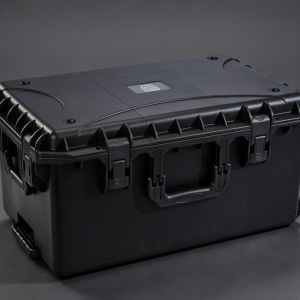
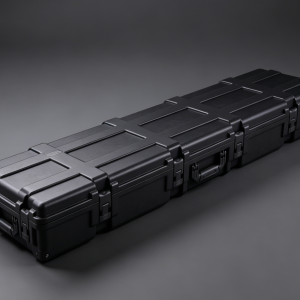
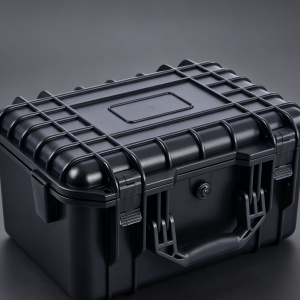
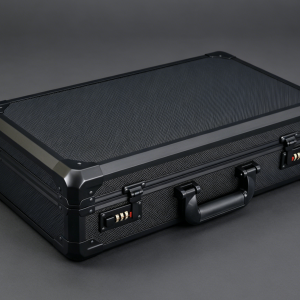
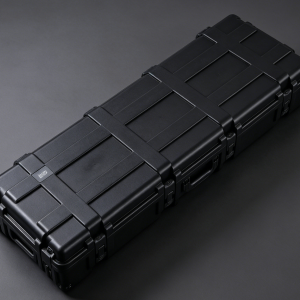
Industrial workshops need to store a wide range of tools, including wrenches, pliers, measuring instruments, assembly tools, and maintenance parts. With frequent use, heavy loads, and demanding working conditions, metal toolboxes must provide sufficient load-bearing capacity while offering wear resistance, corrosion protection, efficient storage, and safe operation. Choosing the right metal toolbox helps reduce tool damage, improve workshop organization, and support long-term production activities.
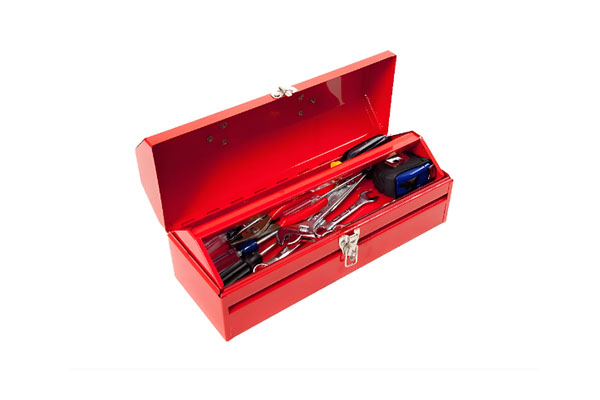
Choose the Right Metal Toolbox Material for the Working Environment
Cold-Rolled Steel: Ideal for Heavy-Duty and Frequent Use
Cold-rolled steel is a common material used in metal toolbox manufacturing. It offers good strength and formability, making it suitable for machining workshops, equipment assembly areas, and production line maintenance. For workshops that store heavy tools, buyers should pay particular attention to sheet metal thickness, box bending structures, and bottom support design.
Sheet metal thickness is not the only indicator of quality. Even thicker steel can deform under long-term loads if the overall structure is poorly designed, welding quality is inadequate, or drawer supports are insufficient. Buyers should therefore evaluate material specifications together with overall manufacturing quality.
Stainless Steel and Aluminum Alloy: Meeting Different Requirements
Stainless steel toolboxes offer advantages in environments with high humidity, frequent cleaning, or certain corrosion risks. Aluminum alloy toolboxes are generally lighter, making them suitable for technicians who prioritize portability, on-site maintenance, equipment servicing, and tool transportation.
When selecting materials, consider exposure to chemicals, ambient humidity, and cleaning methods. Corrosion resistance varies between materials, and appropriate surface treatments are equally important.
Evaluate the Structural Design of Metal Toolboxes
Reinforced Construction and Load-Bearing Capacity
Metal toolboxes in industrial workshops often store various metal tools and spare parts, so they need a stable supporting structure. Buyers should check whether the bottom panel is reinforced, the corners are securely constructed, the joints are properly finished, and the cabinet remains stable when fully loaded.
For storing large wrenches, heavy-duty pliers, or mechanical maintenance components, confirm both the overall load capacity and the rated capacity of individual storage compartments. This helps prevent structural damage caused by overloading.
Drawer Layout and Organized Storage
A well-designed drawer system improves tool accessibility. Multiple drawers can accommodate tools of different sizes, while compartmentalized storage helps organize bolts, nuts, and small components.
In assembly lines and equipment maintenance areas, storage spaces can be arranged according to tool function, size, or frequency of use. Drawer slides should operate smoothly and support the required loads. For toolboxes that are opened frequently, drawer stops and retention mechanisms should also be inspected.
Check Surface Treatment and Durability
Rust-Resistant Coatings and Wear Resistance
Industrial workshops may expose toolboxes to oil stains, dust, moisture, and frequent friction. High-quality surface treatments help metal toolboxes withstand everyday wear and reduce the risk of corrosion in steel enclosures.
During purchasing inspections, check whether the coating is even and whether edges, welded areas, and bent sections show visible signs of missed coating, blistering, or peeling. In environments where toolboxes frequently come into contact with oils and cleaning agents, ensure that the coating is compatible with actual working conditions.
Locks, Handles, and Mobility Systems
For toolboxes used to store precision instruments or valuable tools, reliable locking mechanisms are important. Handles should be comfortable to grip and securely installed to prevent loosening during handling.
Metal toolboxes equipped with casters are suitable for production environments where tools need to be moved between workstations. Buyers should check caster load ratings, maneuverability, and braking performance. Large mobile tool cabinets also require a stable center of gravity to reduce the risk of tipping when drawers are fully extended or loads are unevenly distributed.
Select Specifications Based on Workshop Requirements
Different production areas have different toolbox requirements. Equipment maintenance areas generally need larger storage capacities and higher load-bearing performance. Precision assembly areas place greater emphasis on tool organization, protection, and accessibility. Mobile maintenance applications require a balance between weight, dimensions, and transportation stability.
Purchasing teams can determine cabinet dimensions and drawer configurations based on tool inventories, workstation numbers, and available floor space. If the tool inventory may expand in the future, allowing additional storage capacity can help reduce the cost of replacing equipment later.
Choose Metal Toolboxes Designed for Industrial Applications
A durable metal toolbox requires a practical balance between material selection, structural design, surface treatment, and functional features. Buyers should look beyond price and appearance to evaluate manufacturing quality, load ratings, drawer performance, and compatibility with the working environment.
SIPHIA BOX specializes in tool storage products and related solutions. When selecting metal toolboxes, industrial businesses can evaluate product specifications according to their production processes, tool types, and maintenance frequency. The right storage solution helps maintain an organized workspace, simplify tool management, and support consistent, reliable production operations.