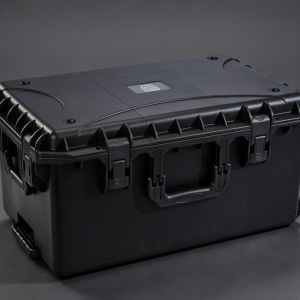
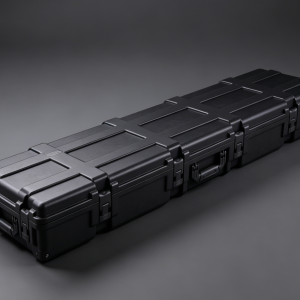
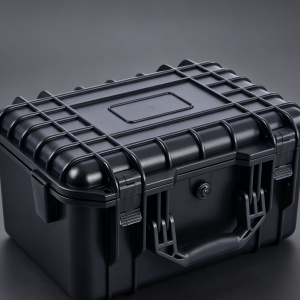
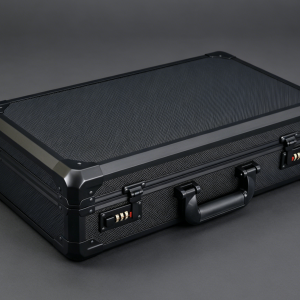
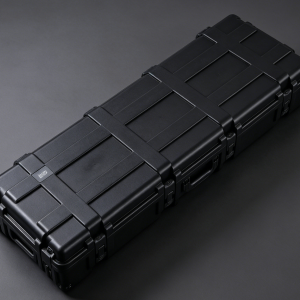
A truck metal toolbox provides secure storage for tools, spare parts, and maintenance equipment during transportation and daily operations. Since truck-mounted toolboxes are frequently exposed to vibration, rain, road debris, dust, and temperature changes, choosing the right material is essential for durability and reliable performance. Aluminum and steel are two common options, each offering different advantages in weight, strength, corrosion resistance, and cost. Understanding these differences helps truck owners, fleet operators, and equipment buyers select the most suitable metal toolbox for their needs.
Why Does Material Selection Matter for Truck Toolboxes?
Weight Affects Vehicle Efficiency
A toolbox adds weight to a truck, and the total load can increase significantly when heavy tools and spare parts are stored inside. Aluminum is generally lighter than steel, making it an attractive option for trucks where reducing unnecessary weight is a priority.
A lighter toolbox can help preserve payload capacity and reduce the weight carried by the vehicle. However, buyers should also consider toolbox dimensions, mounting hardware, and the weight of the stored equipment when calculating the overall load.
Strength and Durability Matter on the Road
Truck toolboxes are exposed to continuous vibration and occasional impacts during driving. Steel generally offers high strength and good resistance to deformation, making it suitable for demanding applications involving heavy tools.
Aluminum can also provide reliable structural performance when the panel thickness, frame design, and reinforcement are properly engineered. The actual durability of either material depends on construction quality rather than material choice alone.
Aluminum vs. Steel: Key Differences
Aluminum Toolboxes: Lightweight and Corrosion-Resistant
Aluminum truck toolboxes are particularly suitable for commercial vehicles, service trucks, and mobile maintenance applications where weight reduction is important. Aluminum naturally forms a protective oxide layer, helping it resist corrosion in many outdoor environments.
Additional surface treatments can improve appearance and provide further protection. Aluminum is also relatively easy to transport and handle during installation.
However, aluminum toolboxes may cost more than comparable basic steel models. Their resistance to dents and impacts depends on the alloy, panel thickness, and structural design. Buyers should verify load ratings before using them to store heavy equipment.
Steel Toolboxes: Strong and Cost-Effective
Steel truck toolboxes are often selected for applications requiring robust storage and competitive purchase costs. Steel provides good structural strength and is suitable for storing heavy hand tools, repair equipment, and spare parts.
Protective finishes, such as powder coating, help reduce the risk of corrosion and surface damage. Nevertheless, scratched or damaged coatings may expose the underlying steel to moisture, increasing the possibility of rust. Regular inspection and maintenance are therefore important, particularly for vehicles operating in wet or coastal environments.
Steel is also heavier than aluminum, so buyers should account for the additional weight when planning vehicle payloads.
How to Choose the Right Material for Different Truck Applications
Choose Aluminum for Mobile Service and Weight-Sensitive Applications
Aluminum toolboxes are a practical choice for service trucks, delivery vehicles, and mobile technicians who need accessible storage without adding excessive weight. They are also worth considering for vehicles that operate outdoors and require good corrosion resistance.
For these applications, buyers should evaluate weather-resistant construction, secure mounting brackets, lid sealing, and locking systems alongside material selection.
Choose Steel for Heavy Tools and Workshop Support Vehicles
Steel toolboxes can be suitable for maintenance trucks, construction support vehicles, and industrial fleets carrying heavier tools and equipment. Reinforced corners, strong hinges, durable locks, and appropriately designed mounting points help improve performance under demanding conditions.
For vehicles operating in muddy or wet environments, selecting a suitable protective coating and establishing a regular cleaning routine can help extend the toolbox’s service life.
What Other Factors Should Buyers Consider?
Check Thickness, Structure, and Load Capacity
Material alone does not determine toolbox quality. Panel thickness, reinforcement ribs, joint construction, lid design, and mounting hardware all influence strength and service life.
Buyers should confirm the rated load and installation requirements, ensuring that the toolbox can safely support its intended contents and withstand normal road vibration.
Evaluate Weather Protection and Security
A truck toolbox should protect its contents from rain, dust, and unauthorized access. Look for suitable lid seals, corrosion-resistant hardware, secure locks, and a design that allows water to drain away where appropriate.
The toolbox should also be securely mounted to prevent movement during driving. For tools exposed to frequent outdoor use, ease of cleaning and maintenance is another important consideration.
Consider Customization and Long-Term Cost
Different trucks require different toolbox sizes, mounting positions, storage layouts, and access methods. Custom dimensions, compartment dividers, surface finishes, and branding options can help businesses organize tools more efficiently.
Siphia Box offers toolbox solutions that can be evaluated according to application requirements. When comparing suppliers, consider not only the initial price but also expected service life, maintenance needs, installation costs, and the value of the storage space provided.
Conclusion
Choosing between aluminum and steel for a truck metal toolbox depends on vehicle payload, tool weight, operating environment, and budget. Aluminum is generally preferable when low weight and corrosion resistance are priorities, while steel is often a practical choice for heavy-duty storage and cost-conscious purchasing.
Before making a decision, compare material properties, panel thickness, structural design, protective finishes, load ratings, and mounting requirements. Selecting the right toolbox material helps improve storage safety, operational efficiency, and long-term value for truck owners and fleet operators.