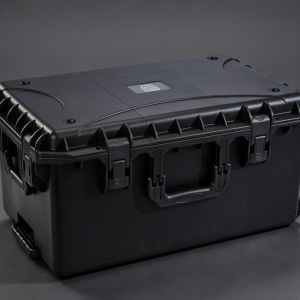
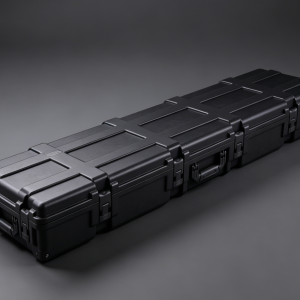
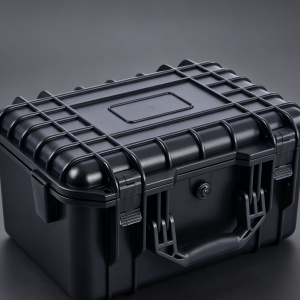
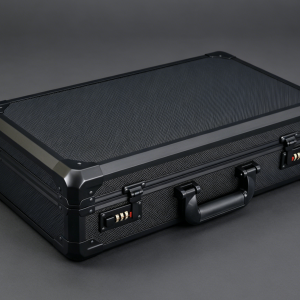
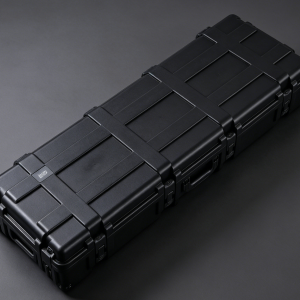
Metal toolboxes are widely used in automotive repair, factory workshops, equipment maintenance, and construction. They provide reliable storage and protection for wrenches, drills, screwdrivers, and other professional tools. Compared with ordinary plastic toolboxes, metal toolboxes generally offer greater structural strength, load-bearing capacity, and impact resistance. However, metal construction does not mean a toolbox will never wear out. Its actual service life depends on several factors, including material quality, surface treatment, structural design, working environment, and routine maintenance.
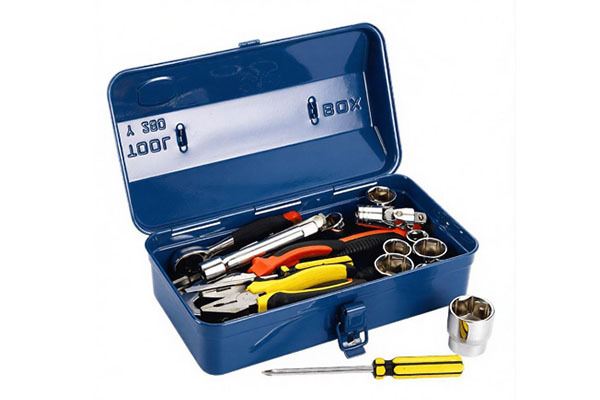
Metal Material Type and Thickness
Durability of Different Metal Materials
Common materials used in metal toolboxes include cold-rolled steel, stainless steel, and aluminum alloy. Cold-rolled steel offers a strong structure and is suitable for storing heavy repair tools. Stainless steel provides good corrosion resistance, making it a practical choice for environments where rust prevention is important. Aluminum alloy is lightweight and easy to carry, making it suitable for mobile maintenance and outdoor work.
How Sheet Metal Thickness Affects Load Capacity
Sheet metal thickness influences a toolbox’s compression resistance and ability to withstand deformation. If the box consistently carries loads beyond its design capacity, the bottom panel may sag and the side panels may become deformed. When selecting a metal toolbox, consider the weight of the tools, frequency of use, and working environment rather than simply choosing the thickest available metal.
Surface Treatment and Rust Resistance
Coating Quality Determines Protection
Metal toolboxes may be exposed to moisture, oil, dust, and corrosive substances during everyday use. For steel toolboxes, powder coating and other suitable protective finishes help reduce direct contact between the metal surface, moisture, and air, lowering the risk of corrosion. Aluminum toolboxes may use anodizing or protective coatings to improve surface durability and protection, depending on the product design.
Repair Scratches and Rust Promptly
Once a protective coating becomes damaged or develops deep scratches, exposed metal may become more vulnerable to corrosion. Regularly inspect corners, joints, and the bottom of the toolbox. Repair damaged coatings promptly to help extend the product’s service life.
Structural Design and Manufacturing Quality
Reinforced Structures Improve Impact Resistance
A durable metal toolbox requires more than high-quality sheet metal. It also needs a well-designed frame, secure connections, and appropriate reinforcement. For products intended to store heavy tools, reinforced bottom panels, strengthened corners, and a stable frame help distribute loads and reduce the risk of deformation during long-term use.
Check Welding and Connection Quality
Welding, riveting, and other joining methods affect the overall stability of a metal toolbox. Weak seams or defective connections may deteriorate under repeated handling and impact. Before purchasing, inspect the joints for consistency, check whether the structure feels stable, and ensure the lid and drawers operate without excessive movement.
Working Environment and Usage Intensity
Moisture and Outdoor Conditions Increase Wear
Long-term exposure to moisture, salt spray, and dust can increase the maintenance requirements of metal toolboxes. Toolboxes installed in vehicles must also withstand road vibrations, rain, and flying debris. These applications require particular attention to protective finishes, sealing structures, and mounting brackets.
Avoid Overloading the Toolbox
Frequent transportation, excessive stacking, and repeated impacts can accelerate wear. Always follow the recommended load capacity and avoid concentrating heavy tools in one area. For tool cabinets with drawers, pay attention to the load limits of the drawer slides, casters, and bottom support structure.
Routine Maintenance and Hardware Quality
Hinges, Locks, and Handles Matter
The durability of a metal toolbox depends not only on its body but also on the quality of its hinges, latches, handles, and fasteners. Frequent opening and closing can loosen hinges, while transportation vibrations may gradually loosen screws. Regular inspections, tightening, and lubrication when necessary can help prevent premature component failure.
Establish a Regular Cleaning and Inspection Routine
Remove dust, oil, and standing water after use, keep the interior dry, and regularly inspect the bottom panel, joints, locks, and protective coating. For toolboxes kept in storage for extended periods, choose a dry, well-ventilated location to minimize the effects of moisture on metal components.
How to Choose a More Durable Metal Toolbox
Evaluating the durability of a metal toolbox requires a comprehensive assessment of its material, sheet metal thickness, surface treatment, structural design, and hardware quality. Automotive repair shops and industrial maintenance facilities may prioritize strong load-bearing capacity and a reinforced structure. Users who frequently transport their tools should also consider product weight, handle design, and portability.
SIPHIA BOX specializes in toolboxes and related protective storage products, offering tool storage solutions for workshops, repair operations, and industrial applications. Choosing a product that matches the working environment, combined with proper handling and regular maintenance, helps maximize the durability of a metal toolbox while reducing long-term replacement and maintenance costs.