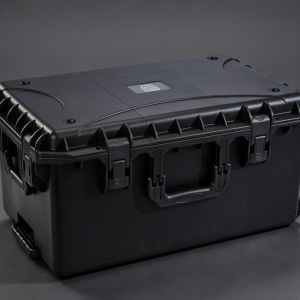
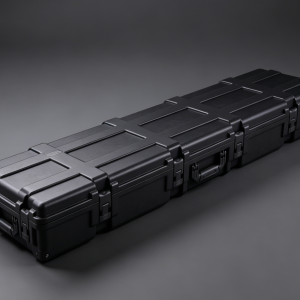
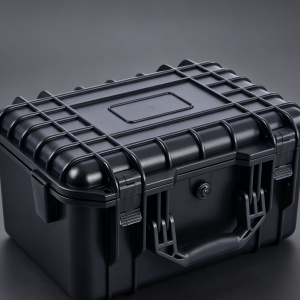
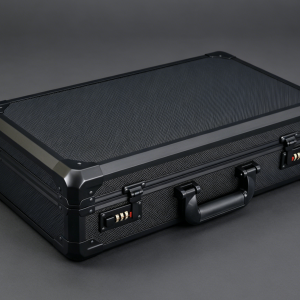
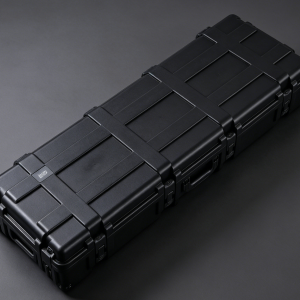
Equipment maintenance toolboxes are widely used in factory workshops, mechanical repair facilities, automotive maintenance centers, and industrial equipment servicing environments. As the number of tools required for maintenance continues to grow, a toolbox must provide sufficient storage space while offering reliable load-bearing capacity, durability, and an organized internal layout. Choosing the right equipment maintenance toolbox helps reduce the time spent searching for tools, minimize the risk of damage during transportation, and improve daily maintenance efficiency. For professional maintenance teams that require long-term use, metal material selection and internal organization are two key purchasing considerations.
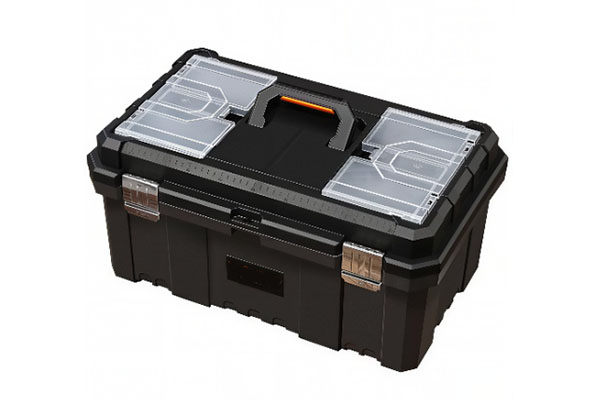
How to Choose the Right Metal Material for an Equipment Maintenance Toolbox
The metal material directly affects a toolbox’s structural strength, overall weight, corrosion resistance, and service life. Different maintenance environments have different requirements, so material selection should be based on tool weight, usage frequency, and working conditions.
Cold-Rolled Steel: Suitable for Heavy Tools and Stationary Workstations
Cold-rolled steel offers good formability and structural stability, making it suitable for industrial toolboxes, maintenance cabinets, and multi-drawer tool storage systems. For repair workshops that need to store wrenches, socket sets, power tools, and testing equipment, steel toolboxes generally provide a reliable load-bearing foundation.
When selecting a steel toolbox, buyers should pay attention to sheet thickness, structural reinforcement, welding quality, and the load capacity of drawer slides. For equipment maintenance toolboxes that frequently carry heavy tools or are moved between workstations, the base panel and body connection points should also provide sufficient structural strength.
Aluminum Alloy: Suitable for Mobile Repairs and Field Maintenance
Aluminum alloy is relatively lightweight, easy to process, and offers good corrosion resistance. These characteristics make it suitable for equipment installation, outdoor repairs, and maintenance tasks that require frequent tool transportation. Compared with heavier steel toolboxes, aluminum models can help reduce the overall weight of the equipment being carried.
Weight should not be the only selection criterion. Buyers should also inspect panel thickness, reinforced corners, connection methods, and handle construction. For precision testing instruments or tools vulnerable to impact, protective padding and internal dividers can help reduce the risk of damage during transportation.
Surface Treatment: Improving the Durability of Metal Toolboxes
Equipment maintenance environments commonly expose toolboxes to oil, dust, moisture, and mechanical abrasion. Surface treatment is therefore an important factor. Painting, powder coating, and other suitable protective finishes can help metal toolboxes withstand everyday wear and reduce the risk of surface corrosion.
During purchasing, inspect the coating for uniformity and visible defects, especially around corners and edges. Locks, hinges, drawer slides, and other hardware components should also be securely installed. For humid or outdoor environments, corrosion protection should be evaluated according to actual exposure conditions rather than determined solely by the type of metal used.
How to Plan the Internal Layout of an Equipment Maintenance Toolbox
A well-organized internal layout reduces the time spent searching for tools and helps keep the working area tidy. Storage capacity is not the only consideration; the organization system should also match the actual maintenance workflow.
Divide Storage Areas by Tool Type
Wrenches, screwdrivers, pliers, socket sets, measuring instruments, and power tool accessories should be stored in separate areas. Tools of similar sizes can be organized using compartment trays or dedicated holders to prevent them from becoming mixed together.
Small components such as bolts, nuts, washers, and electrical terminals can be stored in separate containers labeled with their specifications or intended applications. This reduces the likelihood of losing small parts and makes it easier for maintenance personnel to check inventory after completing a repair.
Arrange Drawers and Compartments According to Usage Frequency
Frequently used tools, including screwdrivers, pliers, and common wrenches, should be placed in easily accessible drawers. Heavier tools can be stored in lower drawers or near the bottom of the toolbox to help lower its center of gravity. Precision instruments are better protected in separate compartments with suitable cushioning materials.
For multi-drawer maintenance toolboxes, storage areas can be organized according to different maintenance tasks, such as disassembly, measurement, fastening, and spare parts management. Consistent storage locations improve retrieval efficiency and make shared tool management easier for maintenance teams.
Consider Drawer Load Capacity, Locks, and Mobility
The internal layout must be compatible with the toolbox’s structural design. Drawers should open and close smoothly and have a load capacity appropriate for the tools stored inside. For larger toolboxes, reliable locks, stable casters, and effective braking systems are also important.
If maintenance personnel frequently move toolboxes between workstations, check their stability under full load, handle strength, and caster wear resistance. A well-designed structure helps reduce the risk of tipping during movement and improves everyday operating convenience.
How to Choose an Equipment Maintenance Toolbox for Different Applications
Different working environments require different toolbox configurations. Fixed factory maintenance stations can prioritize load-bearing capacity, drawer quantity, and centralized storage. Automotive repair and mechanical maintenance applications require a balance of heavy-tool storage, organized compartments, and mobility.
For outdoor equipment maintenance and field installation, lightweight construction, corrosion resistance, and portability are particularly important. If testing instruments must be transported, additional cushioning, separate compartments, and protective structures should be considered. Before purchasing, inventory the quantity, dimensions, and weight of the tools to determine the appropriate toolbox size, drawer configuration, and accessories. This helps prevent insufficient storage capacity or inefficient use of internal space.
SIPHIA BOX provides tool storage solutions designed for different application requirements. When choosing an equipment maintenance toolbox, buyers should evaluate metal materials, structural strength, internal organization, hardware components, and working conditions together. Matching the toolbox structure to the actual tool configuration helps support long-term equipment maintenance, efficient tool management, and reliable field operations.