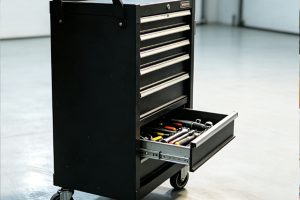
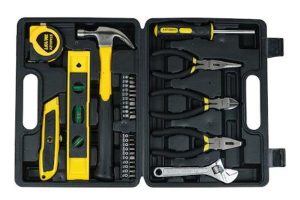
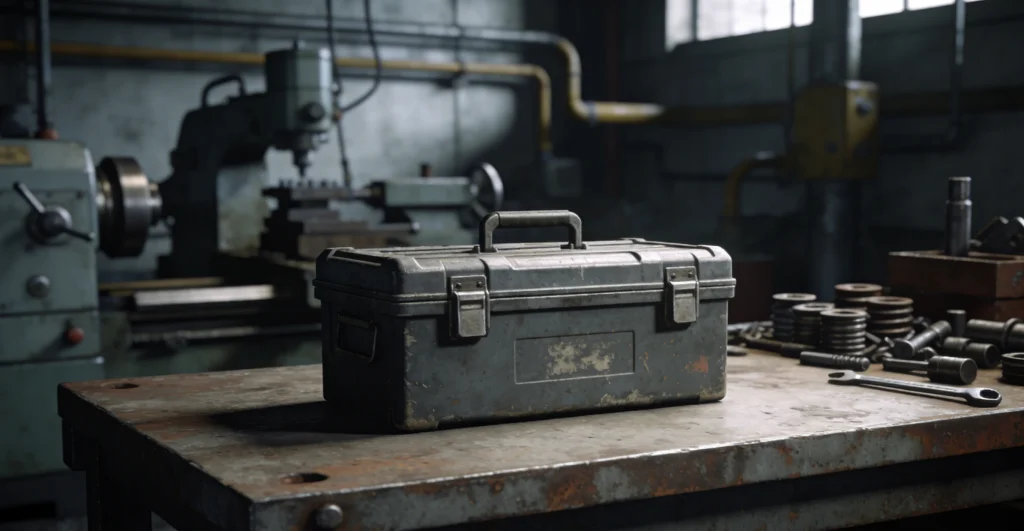
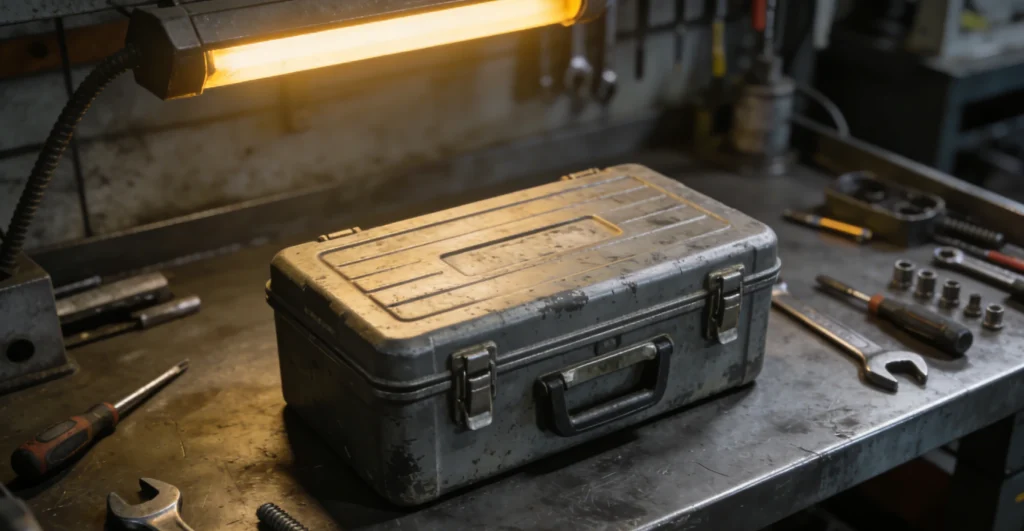
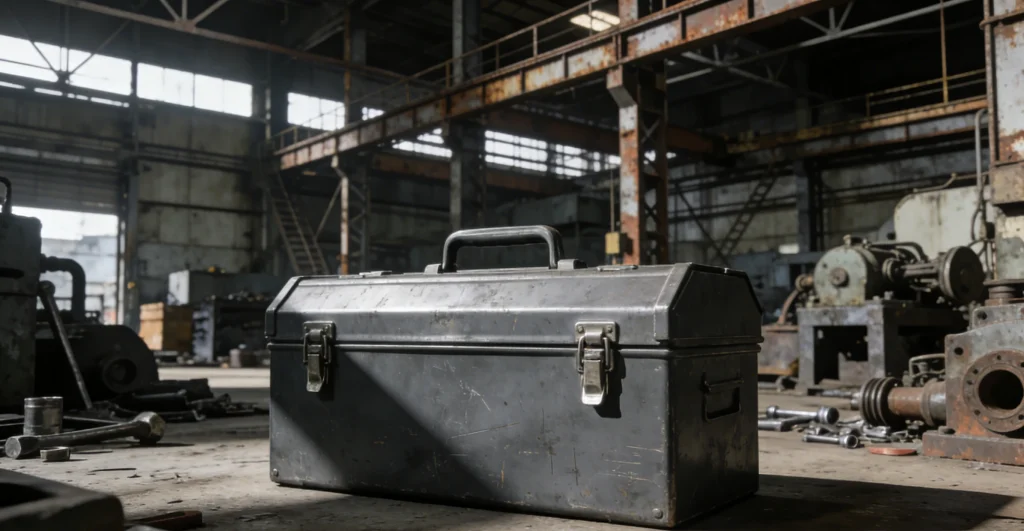
Although a mini toolbox is compact in size, its internal structure is not simply a smaller version of a standard toolbox. To meet requirements for portability, storage, protection, and quick access, its design usually considers the dimensions of the box, opening and closing mechanism, internal storage layout, load-bearing structure, and carrying components. A well-designed mini toolbox needs to organize different types of tools within limited space while ensuring that the lid closes securely and tools remain properly contained during transportation. For toolbox sellers, understanding the structural design of mini toolboxes can help customers select suitable products while also helping purchasing professionals determine whether a product meets requirements for household repairs, DIY projects, automotive tool storage, electronic tool organization, and other applications.
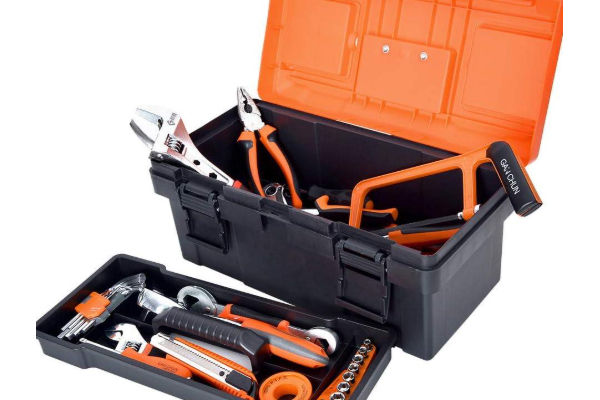
Compact Box Design Makes Efficient Use of Limited Space
The core structure of a mini toolbox generally uses a compact box design. By carefully controlling its length, width, and height, the toolbox can accommodate commonly used tools while reducing the amount of storage space required. The exterior is often designed with a regular shape, making it convenient to place inside drawers, on shelves, workbenches, vehicle storage areas, and cabinets. For homes and small workplaces with limited storage capacity, this design provides a dedicated location for keeping tools organized.
A toolbox should not simply be made as small as possible. If the internal space is too limited, tools may become crowded and difficult to remove. Therefore, designers usually plan the internal dimensions according to the sizes of screwdrivers, wrenches, pliers, screwdriver bits, and small components. Some mini toolboxes also increase the depth of the box or introduce layered storage areas to improve storage efficiency.
Plastic is also commonly used in mini toolbox construction. Plastic bodies are lightweight, relatively easy to process into different shapes, and suitable for forming structural features such as reinforcement ribs, divider slots, and latch mounting areas through injection molding. For everyday carrying and basic tool storage, a lightweight plastic structure can reduce transportation effort while also supporting efficient mass production.
Lid and Latch Structures Focus on Secure Opening and Closing
The lid is an important structural component that directly affects the user experience of a mini toolbox. A well-designed lid should open smoothly while remaining securely closed during transportation. Many products use hinges to connect the lid to the main box, allowing controlled opening and closing. Some designs also include a stopping mechanism to prevent the lid from opening too far and placing unnecessary stress on the hinges.
The latch plays an important role in securing the lid. When the toolbox is being moved or carried, a reliable latch can reduce the possibility of accidental opening. For toolboxes containing small items such as screws, nuts, and screwdriver bits, a secure closure system can also reduce the risk of components falling out.
The latch mechanism of a mini toolbox should balance security with ease of operation. Users should be able to open and close the toolbox without complicated procedures, while the latch itself needs to withstand repeated use. If the latch becomes loose or fails to close properly after frequent operation, the overall service life and usability of the toolbox can be affected. Therefore, the fit and precision between the latch and lid are also important elements of structural design.
Internal Dividers and Storage Modules Improve Space Utilization
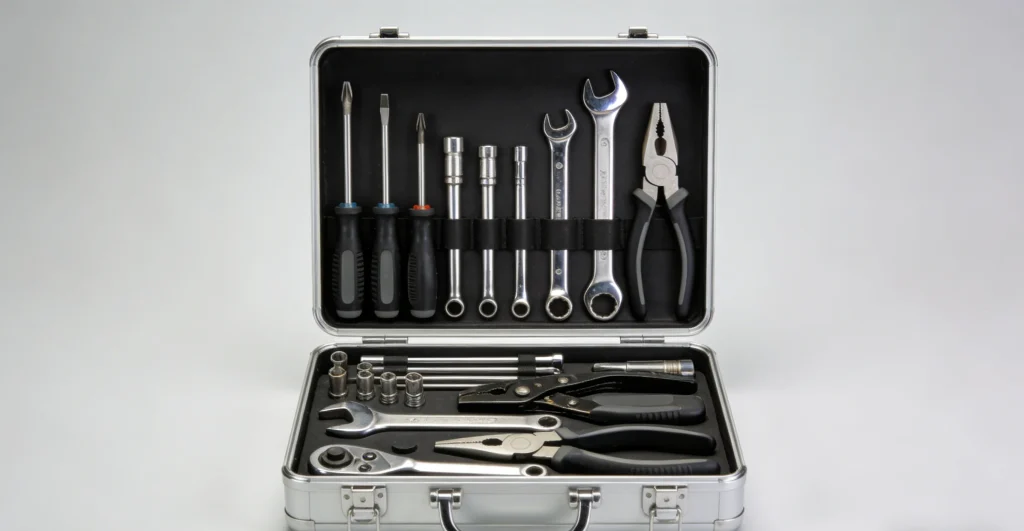
Because the internal space of a mini toolbox is limited, the organization system has a significant influence on its practicality. A single large compartment can hold tools, but different items may become mixed together and require searching when needed. Adding dividers, slots, compartments, and trays can organize tools according to their sizes or purposes and make better use of the available space.
Common internal designs include fixed tool slots, small individual compartments, removable dividers, and upper or lower trays. Screwdrivers can be secured in dedicated slots, while wrenches and pliers can be placed in larger areas. Small screws, nuts, and washers can be organized in separate compartments. For users who need to store various small accessories, this type of design helps prevent components from becoming mixed together.
When selecting a mini toolbox, users can consider whether the internal configuration matches the items they need to store:
- Fixed tool slots: Suitable for screwdrivers, hex keys, screwdriver bits, and other elongated tools.
- Individual compartments: Suitable for screws, nuts, washers, connectors, and other small components.
- Layered trays: Make use of vertical space and allow different tools to be stored in separate levels.
- Adjustable dividers: Allow storage areas to be changed according to tool sizes and provide greater flexibility.
- Soft inner lining: Helps reduce direct contact and impact between tools and the box, which can be useful for items requiring surface protection.
By combining different storage modules, a mini toolbox can achieve more efficient internal organization without significantly increasing its external dimensions. Therefore, product design should consider not only the overall box size but also how effectively the internal space is utilized.
Reinforced Bottom Structure Improves Toolbox Stability
Although mini toolboxes generally do not carry large equipment, the combined weight of multiple metal tools can still be considerable. For this reason, the bottom of the box needs to provide sufficient support. A properly reinforced bottom can reduce the risk of deformation caused by long-term loading and help the toolbox remain stable when placed on a table, floor, shelf, or other surface.
Some plastic mini toolboxes incorporate reinforcement ribs into the bottom structure. These ribs can improve local structural strength without requiring a significant increase in material consumption. The edges around the bottom may also be thickened to improve resistance to impact and long-term wear.
The design of the four corners is also worth considering. Rounded corners can reduce sharp edges and make the toolbox easier to handle and place. For mini toolboxes that are frequently carried, bottom feet can reduce direct contact between the base of the box and the ground. When the toolbox is regularly stored inside a vehicle, on a workbench, or in a relatively humid environment, an elevated bottom design may also help reduce wear on the base.
Structural stability is also related to wall thickness, connection points, and material properties. During design, these factors need to be balanced with weight and storage capacity so that the toolbox remains lightweight without sacrificing its basic load-bearing capability.
Handle Design Is Based on Practical Carrying Requirements
One of the key advantages of a mini toolbox is its portability, which makes the handle an important structural component. A suitable handle should be comfortable to grip and securely connected to the main body. When the toolbox is filled with tools, the handle needs to withstand a certain amount of pulling force, so its connection points must have sufficient structural strength.
Many mini toolboxes use a centrally positioned handle on the top of the box. This arrangement helps maintain relatively good balance during carrying. Some products use wider handles to provide greater contact with the palm and improve comfort during longer periods of transportation. For toolboxes that are frequently stored inside cabinets or vehicle compartments, a foldable handle can reduce the overall height and save storage space.
The connection between the handle and the main box also affects durability. If the handle is connected directly to a relatively thin section of the box wall, repeated loading may eventually cause loosening. Therefore, some products include reinforcement around the connection points so that the load can be distributed more evenly across the toolbox structure.
The structural design of a mini toolbox ultimately needs to serve practical use. The compact body controls storage requirements, the lid and latch keep tools securely contained, internal dividers organize different tools, the reinforced bottom provides support, and the handle makes the entire product easier to transport. When these components work together, a compact toolbox can provide efficient storage, portability, and everyday durability. For toolbox buyers, selecting a product based on tool type, storage quantity, carrying frequency, and operating environment can help ensure that the mini toolbox delivers practical value as a compact tool storage solution.