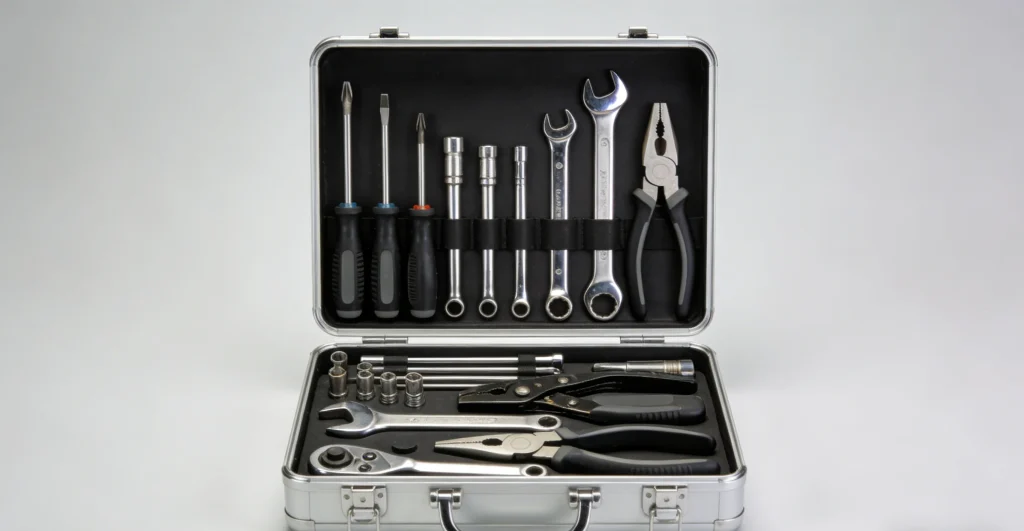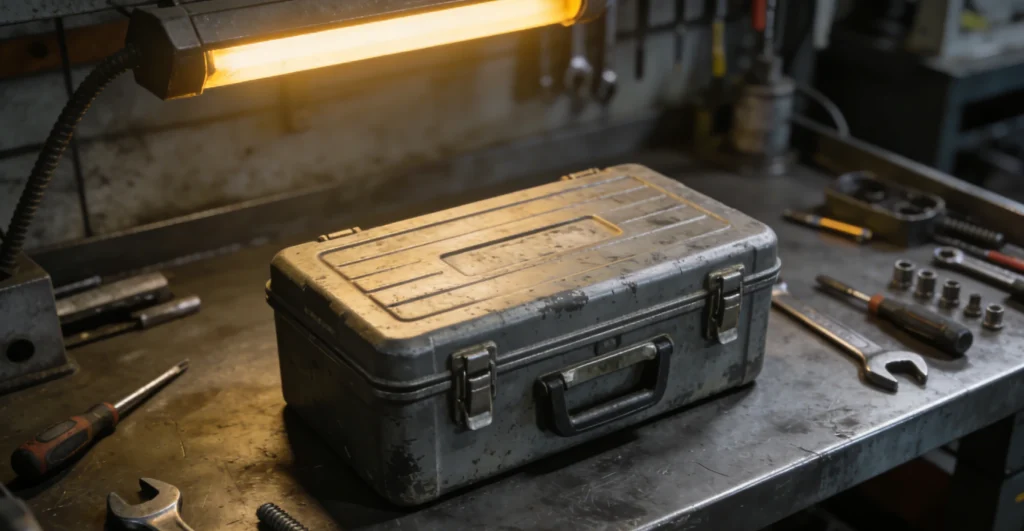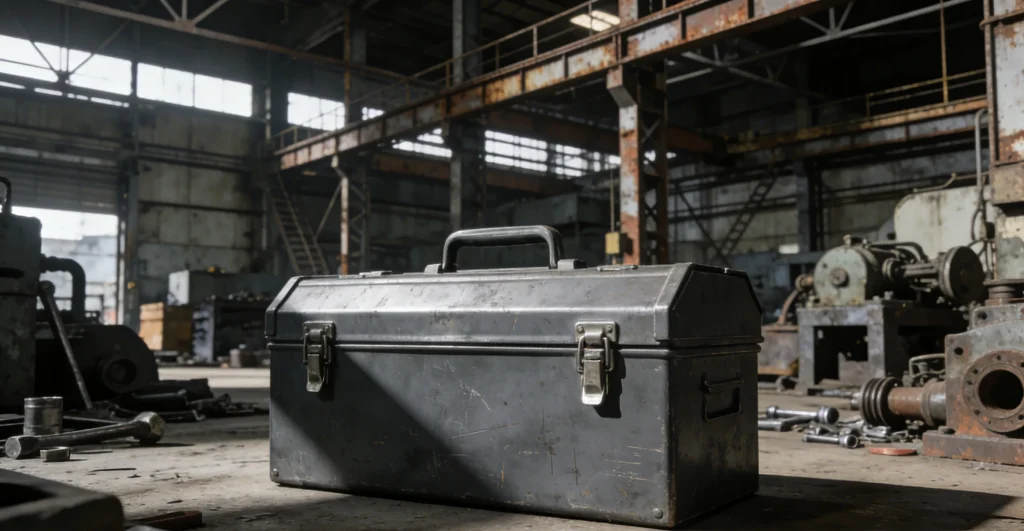
Lorry tool boxes are installed on the exterior of vehicles and are exposed to road vibrations, tool impacts, loading and unloading operations, and external pressure during long-term driving. Therefore, slight dents, warping, or edge deformation of the door panel are relatively common. Especially for aluminum lorry tool boxes, although aluminum alloy has advantages such as lightweight and corrosion resistance, the door panel may still deform locally when the material is relatively thin and subjected to concentrated impact. After the tool box door panel becomes deformed, it is not enough to only check whether the appearance looks unattractive. It is more important to check whether the door can close properly, whether the lock can be fully secured, and whether the sealing strip can maintain even contact. If the dent is minor, the door panel can usually be reshaped according to the aluminum plate thickness and deformation location. If the door edge is severely warped, or the hinge and lock positions are affected, the structural issue needs to be addressed before restoring the door panel condition.
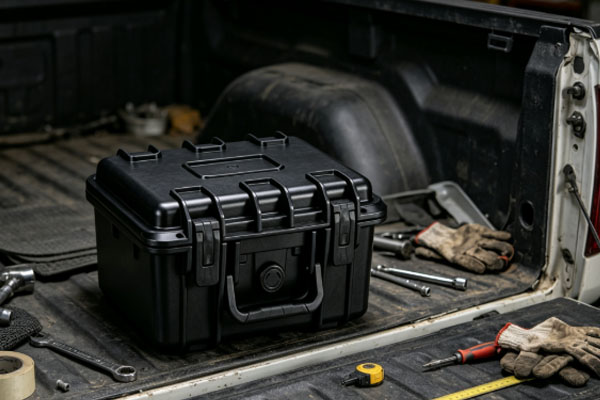
For door panels that have cracks, severe bending, or significantly reduced strength after repeated repairs, forcing further correction may cause greater damage. In such cases, replacing the door panel is usually a better option. During repair, excessive force should also be avoided when directly hitting the aluminum plate, because aluminum alloy has certain plasticity, but repeated bending may create new cracks. Correctly evaluating the deformation level and choosing light correction, disassembly and reshaping, local repair, or component replacement can help reduce future problems such as water leakage, poor locking, and difficulty in use.
Why Does a Lorry Tool Box Door Panel Become Deformed?
External Impact Is a Common Cause
Lorry tool boxes are usually installed on the side of the frame or below the cargo compartment. During loading and unloading, approaching construction equipment, or reversing, the tool box may experience collisions. If the door panel is hit by wrenches, metal parts, or other hard objects, the force concentrated in a small area can create obvious dents. After an aluminum door panel is impacted, local dents may appear while other parts of the box remain normal. In such cases, it is necessary to check whether the door panel can still close evenly.
Long-Term Vibration Can Also Cause Door Problems
Lorries experience a large amount of vibration during daily operation. If the door panel has problems such as loose installation, a loose lock, or excessive hinge clearance, long-term vibration may gradually change the position of the door panel. Especially for large tool boxes with larger door areas, the fixing condition of hinges and locks should be checked regularly after long periods of vibration. Therefore, door panel deformation does not always result from a single obvious impact; it may also develop gradually after extended use.
How Should a Deformed Door Panel Be Handled?
First Determine Whether the Door Panel or Accessories Are Deformed
When the tool box door does not close properly, do not immediately assume that the door panel itself has serious deformation. First, open and close the door several times and observe whether the gap between the door panel and the box frame is even. At the same time, check the hinges, lock, and sealing strip. If the door panel itself is relatively flat but the lock position has shifted, adjusting the lock or hinges may restore normal operation. If the door panel has obvious dents or warped edges, further reshaping will be required.
Minor Dents Can Be Corrected Locally
For shallow dents, the door panel can be removed and lightly corrected. During repair, suitable leveling tools should be used to gradually adjust the deformed area outward. Aluminum alloy door panels cannot be treated like thick steel plates that can be hit heavily without concern. Excessive hammering may create new dents or even cause cracks in the material. If the door panel has a painted surface, attention should also be paid to protecting the coating during correction to prevent large areas of paint peeling after repair.
When handling door panel deformation, the following steps can be followed:
Check deformation level: Determine whether it is a minor dent or severe bending.
Check hinges and locks: Eliminate closing problems caused by loose accessories.
Light correction: Gradually reshape small damaged areas.
Replace in case of serious damage: Do not force repair when cracks appear or recovery is impossible.
What Else Should Be Checked After Door Panel Repair?
Confirm the Door Can Close Properly
After restoring the door panel, open and close the door several times to confirm that it does not get stuck. If the gap between the door edge and the box body is uneven, it indicates that there is still a position deviation and further adjustment is needed. After locking, the lock should remain stable and should not require excessive force to close.
Check Whether the Sealing Strip Contacts Evenly
Lorry tool boxes usually rely on sealing strips to reduce the entry of rainwater and dust. If the sealing strip cannot maintain even contact after door deformation, water leakage may occur even if the door can be locked. During inspection, check whether the sealing strip is excessively compressed, lifted, or partially separated from the surface. If the sealing strip has already aged, it can be replaced during door repair to help restore better sealing performance.
Do Not Repeatedly Force Correction on Severely Deformed Panels
If the door panel has obvious creases, cracks, or severely bent edges, repeated reshaping may reduce material strength. Especially with aluminum alloy, repeated bending may cause fatigue damage. At this stage, continuous hammering may not restore the original condition. If the deformation has affected the lock, hinges, or sealing structure, replacing the door panel is usually a more reliable solution.
Frequently Asked Questions
Q1: Does a slightly dented aluminum tool box door panel need repair?
Answer: If the dent is minor and does not affect opening, closing, locking, or sealing, it can continue to be used temporarily. However, if the dent gradually expands or affects sealing performance, it should be repaired in time.
Q2: Can an aluminum door panel be flattened directly with a hammer?
Answer: Direct heavy hammering is not recommended. Concentrated impact on aluminum plates may create new dents or even cracks. Minor deformation can be handled with gentler reshaping methods, while serious damage should be handled by professional repair personnel.
Q3: Why does the tool box fail to close even when the door panel is not deformed?
Answer: The hinges, lock, or box frame may have shifted. Check whether the hinge fixing bolts are loose, and then check whether the lock installation position has moved.
Q4: Can door panel deformation cause water leakage in the tool box?
Answer: It is possible. If deformation prevents the sealing strip from being evenly compressed, rainwater may enter through the gaps in the door panel. Therefore, the sealing condition should be checked again after repairing the door panel.
When a lorry tool box door panel becomes deformed, it does not mean that the entire tool box must be replaced immediately. Minor dents can be locally reshaped, and when locks or hinges are misaligned, the fixing position can be adjusted. If the door panel is severely bent, cracked, or unable to restore normal sealing performance, replacement should be considered. When evaluating the problem, the appearance of the door panel should not be the only factor considered. Whether the door can close smoothly, whether the lock can function properly, whether the sealing strip maintains even contact, and whether the hinges remain stable are all important factors for judging repair results. For aluminum tool boxes, repair requires especially careful control of correction force. Aluminum alloy is lightweight, but repeated bending may affect the material condition, so rough repair methods should be avoided.
After completing door panel repair, the sealing strip should also be inspected. If the sealing strip has aged or become deformed due to pressure, it can be replaced at the same time to prevent water leakage after repair. Lorry tool boxes operate in a continuous vibration environment, so door panels, locks, and hinges all require regular inspection. Handling minor looseness in time can reduce the possibility of later deformation. For existing door panel deformation, the appropriate solution should be selected based on the damage level, including correction, accessory adjustment, or replacement. Avoid repeatedly hitting the panel just to restore appearance. This helps the tool box maintain normal opening and closing, stable locking, and reliable sealing performance.